April

1

It’s April and we can see spring in its complete beauty!

This spring was unusually rainy, but we can appreciate the rain as a part of the intertwining cycle of opposites that makes our world go round–wet and dry, dark and light, cold and warm, each giving way to the other in equal measure. This dynamic of yin and yang governs all aspects of life.

In our personal lives, there is also a time for resting and a time for growth, a time to allow and receive, and a time to blossom forth with abandon in full color. As the rain comes down, we might surrender to its wisdom, visualizing it cleansing our minds and hearts, washing away the remains of winter, preparing us to come clean into the second half of spring, ready to start a new chapter.

Please enjoy the three articles below!

2


Beyond Reacting

Remembering to Pause

by Madisyn Taylor


Remembering to pause and take a breath before we react, can shift the energy of the outcome.


We have all had the experience of reacting in a way that was less than ideal upon hearing bad news, or being unfairly criticized, or being told something we did not want to hear. This makes sense because when our emotions are triggered, they tend to take center stage, inhibiting our ability to pause before we speak. We may feel compelled to release the tension by expressing ourselves in some way, whether it’s yelling back at the person yelling at us, or rushing to deliver words of comfort to a friend in trouble. However, there is much to be said for teaching ourselves to remember to pause and take a deep breath before we respond to the shocks and insults that can come our way in life.


For one thing, our initial response is not always what’s best for us, or for the other people involved. Reacting to childish rage with childish rage will only escalate the negativity in a situation, further ensnaring us in an undesirable dynamic. Similarly, when we react defensively, or simply thoughtlessly, we often end up feeling regret over our words or actions. In the end, we save ourselves a lot of pain when we take a deep breath and really tune in to ourselves, and the other person, before we respond. This doesn’t necessarily mean we don’t say anything, although in some cases, that may be the best option.


Some situations require a fairly immediate response, but even just a moment of grounding ourselves before we do so can help enormously. The next time you find yourself wanting to react, try to pause, and in that pause, take a deep breath. Feel your feet on the floor, the air on your skin, and listen for a response to arise within you, rather than just going with the first thing that pops into your head. You may find that in that moment, there is the potential to move beyond reaction and into the more subtle and creative realm of response, where something new can happen.

 

3

10 Ways to Renew Yourself Spiritually

By Karson McGinley

When you feel like you’ve been skimming the surface of life, it is likely a sign you need to reboot. Feeling like you’re stuck in a rut can put a damper on even the most blessed life; however, spiritual stagnation can also give you the motivation you need to refresh yourself and recommit to a journey of profound inner growth.

Has Your Spiritual Practice Plateaued?

For ages, human beings have longed to know their true nature. Your spirituality can be defined as your relationship to your truest Self and the Universal God-consciousness that unites all beings. Spirituality is a lifelong pursuit, and depending on your season of life, it might be time to step back and fall back in love with how you connect to God and achieve a renewed spirit. Even longtime spiritual practices get tired, as it’s common to reach a plateau and to yearn for something more.

Just like repeating the same exercises at the gym day after day would eventually reach its limit of effectiveness, it is important that your spiritual life feel exciting, challenging, and supportive to the person you are today. And once you have renewed yourself spiritually, it can feel as if you have taken a fresh breath of clean air after living in a windowless room.

Time to Refresh

The first step to energizing yourself on a soul level is to make a decision to do so. If you wanted to, say, get a massage, you would have to make the effort to get yourself to the spa, not just hope that a massage therapist would show up in your path, begging you to receive some bodywork. No, you would carve out the time, make an appointment, and get yourself to that massage table. Similarly, just hoping you feel a new sense of inspiration in your personal practice is not going to render results. Committing to your intention, preferably in writing, and being willing to put in the effort is the only way to achieve your desires. Let that be your starting point, and the rest will unfold as it is meant to.

If you want to reboot your system on a deeper level:

  1. Choose to embark on a journey of spiritual renewal.
  2. Schedule time for yourself and commit to it. Remind yourself that you don’t “find” time, and you don’t even make it. You identify it, put borders around it, and make it sacred.
  3. Leave space for the magic.

Once you have decided your soul longs for a fresh start, choose your approach by engaging in one or more of the following suggestions to bring the twinkle back into your eyes.

  1. Go on a Retreat

One of the most effective ways to recharge your batteries is to depart from your everyday routine and go on a retreat. There are retreats anywhere and everywhere your heart desires, from two-night getaways to month-long pilgrimages to native lands. While going away may seem like an indulgence, seeing your trip as an act of self-care can yield tremendous results for you and the people who care about you. Creating intentional distance between you and the hamster wheel of life can illuminate a pathway that is simpler, more peaceful, and more in touch with your heart.

Traveling and meeting new people from all walks of life also breathes new life into your practices. Spiritual retreats (whether it is with people you know or a group strangers) attract people who are also seeking depth and growth in their lives, and connecting with others is one of the markers of the happiest people in the world.

  1. Be of Service

Giving of yourself can be a deeply spiritual act of abundance, so consider volunteering your time to enhance the lives of those in need. Giving money is wonderful, but is almost too easy to have a deep spiritual effect on its own. Share your time, your attention, and your skills with a person or group of people who allow you to show up as your brightest self. You could commit to spending time in a rehab facility, a local women’s center, or an animal shelter, for example. Serving others develops compassion and gratitude, not to mention benefits those who need it the most. Never underestimate the power of generosity as a way to connect to God.

  1. Immerse Yourself in Nature

Think of a time when you felt the most expansive, limitless, and at peace. Chances are you were in nature when you felt that way. Being outside offers perspective in a way few other activities can. Contemplating a rose, breathing in the fresh air, or receiving the grounded energy of a mighty oak tree can transform your life if you let it. Swim in the ocean, get your hands dirty in your garden, and hike in the mountains. Feel the sun on your face and the wind in your hair. Commit to getting outside every single day and see what you feel. When you get in touch with nature, you find your own nature, hiding in plain view.

  1. Start a New Morning Ritual

How you start your day sets the tone for your entire mental and emotional life. If you don’t have a morning practice, create one! Waking before sunrise and spending the first hour of your day meditating, praying, or otherwise communing with God is one of the easiest ways to feel a profound shift in your spiritual life.

If your practice has gotten rote or feels boring, you’re likely burnt out on your rituals and are spinning your wheels. Try something new for the next month, like doing guided meditations, reading a book by candlelight as the sun comes up, or doing sun salutations facing the rising sun. And if you aren’t what you would call a “morning person,” consider that 20 fewer minutes of sleep probably won’t make a huge impact on your overall well-being, but 20 minutes spent in spiritual pursuit every morning most certainly will.


  1. Observe a Sabbath

Dedicating an hour every morning to your spiritual practices is an incredible way to start your day, but what about taking an entire day to recharge for your week? Try taking a Sabbath—one day a week where you unplug from technology, get outdoors, dig in to your most inspired book, and spend time with the people you care about. Try not scheduling anything on this day; keep it sacred for activities of the highest quality. Don’t feel like you can carve out an entire day each week? Start with one day a month and see how you feel.

  1. Read a Spiritual Text

Sometimes it is comforting to remember that you don’t have to figure it all out on your own. Dedicate yourself to a primary text in line with your beliefs like the Bible, the Bhagavad Gita, or A Course in Miracles. This can be a text that has always had deep significance to you or a text you’ve heard of but never actually read. Take your time with it; read with a pen in hand. There are also study groups, meetups, and online forums that you can join to immerse yourself in community and receive some guidance. Read the texts that have withstood the test of time and have had meaning for so many people; chances are they will help you, too.

  1. Find a Teacher/Mentor

Oftentimes when you feel like the teachings have lost their power, what you really want is a teacher to lead the way. Mentors can take many forms—a yoga teacher who inspires you, a public figure or teacher whose message resonates with you, or a guru from whom you receive instructions on living a spiritual life. Your teacher not only points to the path, but models living on this plane, in accordance with the values you hold most dear.

While you want to be sure not to mistake the teacher for the teaching itself, having someone to guide you can be transformative in how you learn, study, and grow. Imagine trying to figure out math on your own. And yet so many people haven’t dedicated time to spend with a teacher to figure out this thing called life. Open yourself up and, as they say, the teacher will appear.

  1. Eat a Clean Diet and Refrain from Drinking Alcohol 

All judgment aside, it is challenging to feel the clarity of Divine communication if your body is in a state of disease or lack of good health. With your doctor’s blessing, try doing a cleanse or intermittent fast to purify your system and recommit to your mystical pursuits. At the very least, you might take a month (or more) of eliminating alcohol, meat, or sugar from your diet as a gesture toward elevating your vibration and brightening your energetic body. If your body is indeed a temple, taking care of your physical and energetic systems will undoubtedly bring you closer to the object of your prayers.

  1. Take a New Class

A simple thing you can do to refresh your spirit is to take a new class that will move your body and stir your heart. Yoga classes are everywhere—online and in person. Try a meditation class or course, surround yourself with other like-minded people, and let yourself be led by a teacher one hour at a time. Dance your body as a moving prayer and feel the profound effects of primal movement. Tai chi, Qi Gong, yoga flow, and ancestral dance classes can all draw you closer to your innermost essence. Sometimes showing up is the hardest part, but being willing to try something new may be all it takes to feel a jolt of recognition to the depth of spiritual health you seek.

  1. Journal Your Gratitude

Write, write, and write some more. If you’re not sure what to write, start with daily gratitude. Gratitude is not only a practice, but a way of life, and the gateway to spiritual depth. A spiritually mature person recognizes that gratitude can be found in every situation. And while thinking grateful thoughts is a great place to start, writing down your gratitude can make all the difference.

Already writing down three things a day you are grateful for? Take it to the next level by trying some more advanced gratitude practices, like going for breadth, depth, and specificity of your emotions. Sometimes life feels dull because you take for granted all that you have. Training your mind to search for and focus on the good creates a different way of engaging with the world. As simple as it may seem, putting your life in perspective by appreciating what you have can resuscitate your relationship to your higher power.

Don’t feel bad if your spiritual life has taken the back seat. The only way to feel the rush of falling in love with your practice again is to feel separated from it from a while. By telling yourself (and the Universe within and around you) that you long for a deeper connection to your essence, you open yourself to the myriad ways God will bend over backwards to show you who you really are.



4

Uncovering the Paleo Diet: What You Need to Know

By Sue Van Raes

The paleo diet, often referred to as the caveman diet or hunter-gatherer diet, is based on the premise that genetically you are almost identical to your stone-age ancestors. The paleo diet plan is set up accordingly: if your caveman ancestors did not eat it, then neither should you, hence the name paleo diet—short for paleolithic diet. This popular primal eating style has influenced how many people fill their plates these days as well as brought forth an array of scientific study and health conversation along with some hesitation and contradiction.

While the premise for the paleo diet plan is still controversial (how much do we differ from our stone-age ancestors?), this hunter-gatherer type of eating has gained many fans.

Here are the nuts and bolts of paleo eating, along with some facts and myths to help you uncover what you need to know about the paleo diet plan.

What Is the Paleo Diet?

Based on the primal eating habits of your stone-age ancestors, the paleo diet strives to mimic a pre-industrialized revolution approach to eating. Pre-industrialization refers to the time (dating back many centuries, preceding 1750) before there were many machines and tools to help with the mass of tasks people and civilizations face today. This directly affected how food was grown, harvested, and eaten.

This is evident in the paleo diet food list where you notice the absence of grains, legumes, commercial dairy products, and refined sugars, all of which became more commonly grown, harvested, and eaten as technology has grown and evolved.

Paleo followers avoid:

  • Processed sugar
  • Grains
  • Legumes
  • Commercial dairy

Paleo followers eat:

  • Vegetables
  • Fruits
  • Unprocessed meats
  • Fish
  • Poultry
  • Eggs
  • Nuts
  • Seeds

Why Paleo?

There are some major shifts in how you eat today in comparison to your more primal lineage. Research shows that many of today’s common foods include a hefty dose of refined flour products and massive amounts of refined sugar in the form of on-the-go type meals such as fast-food burgers and pizza. Studies also show that many of these modern refined foods are associated with the most prevalent health issues, such as obesity, diabetes, and heart disease.

The essentials of the paleo diet plan are healthy, whole, pure, and fresh. While there are only a handful of short-term studies that address many of the benefits of the paleo diet, the results trend toward more health, energy, and vitality than what many modern-day foods provide.

  1. Anti-inflammatory

You have likely heard of the epidemic where chronic (ongoing) inflammation is linked to an array of health disorders. From GERD (gastroesphageal reflux disorder) to arthritis and psoriasis to heart disease, inflammation is said to be linked to many of today’s most common health conditions.

Notably, inflammation plays a large role in your body’s health. Using diet to manage inflammation is a powerful and worthwhile endeavor. While there are many factors to consider when incorporating an anti-inflammatory diet, there are a few consistent strategies to note. With the onset of highly refined sugars and carbohydrates in the typical American diet, there is a link between blood sugar and inflammation. If your blood sugar and/or insulin levels are chronically high, a series of biochemical reactions directly lead your body to inflammation.

The paleo diet plan—low in sugar and completely void of refined sugars and flours (along with other highly refined foods)—has been shown to lower chronic inflammation. One study looked at a group of 70 post-menopausal women eating the paleo diet plan for 24 months. While the study looked only at a specific population, it concluded that there was a direct relationship between the paleo diet and a significant decrease in chronic inflammation.

Eating the paleo diet may be an effective way to lower chronic inflammation.

  1. Weight Loss

According to the Centers for Disease Control and Prevention (CDC), obesity affected more than 93.3 million adults in the United States in 2015-2016. Obesity is linked to numerous health conditions, including type 2 diabetes, hypertension, osteoarthritis, and infertility. While diet is not the only contributing factor, diet is said to be a primary piece of the puzzle.

The paleo diet plan includes a consistent strategy for taking in high-quality whole foods, unprocessed proteins, and high levels of antioxidants and phytonutrients (cellular protective compounds found in plant-based foods), while avoiding many of the culprits associated with weight gain and chronic obesity. One study showed a significant decrease in mean weight, body mass index, waist circumference, and systolic blood pressure in a group of healthy people who ate a paleo diet over a three-week period.

  1. Cardiovascular Health

Did you know a paleo diet plan can be good for your heart? It is a myth that the primary cause for heart disease comes from eating too much fat; one cause of heart disease has been shown to be due to an over-consumption of refined carbohydrates and sugar. Consequently, the paleo diet plan can be a noteworthy approach to a healthy heart.

The paleo diet is often considered a meat-heavy diet but in actuality, there is a hefty focus on vegetables and fruit along with the high quality “clean” animal protein such as wild-caught fish, grass-fed meat, and organic cage-free poultry.

One small study showed a significant decrease in several cardiovascular risk factors in patients with type 2 diabetes after eating the paleo diet plan for a three-month period.

  1. Autoimmune Disease

Affecting more than 50 million Americans, autoimmune disease refers to a variety of conditions in which the immune system mistakenly attacks organs, tissues, cells, or glands, creating inflammation (and various other symptoms) in the body.

While the paleo diet plan has a direct impact on inflammation, a modified approach to the paleo diet, known as the autoimmune paleo diet (AIP), is known to have a substantial effect on both the inflammation as well as relief of symptoms related to autoimmune disease such as pain or a weakened gut lining (a symptom often linked to autoimmune disease) while also resetting the immune system.

The AIP modifies the paleo diet with the elimination of nightshades, eggs, coffee, alcohol, nuts, and seeds. The results of one study suggest that the AIP diet may help to diminish autoimmune symptoms and inflammation in patients with IBD (irritable bowel disorder), a common autoimmune disorder.


Why Not Paleo?

While the purity and wholeness of the paleo diet plan is a wonderful element to include in your eating, there are a few common arguments against following the paleo diet plan. Here are some controversies to consider.

  1. No Long-Term Studies

While a few short-term studies on the paleo diet have proven to be informative and insightful, more long-term research is needed. As with any research-based scientific study, the short-term effects of diet and lifestyle have the possibility of changing drastically with time and duration. This may or may not have been evident within the stone-age era.

Assuming that the stone-age diet ensured health and longevity for your stone-age ancestors is an assumption that needs further inquiry. One study showed that there were some common health challenges during the stone-age. Pigbel, caused by eating meat contaminated by the spores of Clostridium perfringens type C, grossly enlarged thyroids, and advanced tumors (both benign and malignant) to name a few.

Many of these noted health issues could be related to the diet and lifestyle of the Paleolithic time, just as many of today’s more common health issues are related to modern-day diet and lifestyle. Long-term studies are needed to reveal how following the paleo diet eating plan affects the health and longevity for modern-day people.

  1. Missing Nutrients from Grains and Legumes

When reviewing the foods on the paleo diet plan, you have likely noticed the absence of foods, such as grains and legumes (aka beans). While your stone-age ancestors may not have eaten grains and legumes, there are health benefits to including them in your diet.

Whole grains—the entire grain in its whole form—are known for their high fiber content and immense levels of micronutrients. And studies show a correlation between the consumption of whole grains and a lower risk of cardiovascular disease and cancer.

Studies also show that legumes have a multitude of nutrients, protein, B vitamins, and essential minerals such as iron, copper, magnesium, and zinc. Legumes have a low glycemic index—incurring little impact on your blood sugar—and have been linked to the prevention of type 2 diabeteshypertension, and obesity.

Deeper investigation into the long-term elimination of these two food groups is needed and could inform if the paleo diet food list causes you to be low on essential nutrients and vitamins.

  1. Meat Heavy

While the paleo diet plan has many variations, it is much harder to stick to it if you are a vegetarian or vegan. With limited options for protein—primarily nuts and seeds—there seem to be few options for those who are opting out of animal protein or products.

Furthermore, because of the heavy focus on lean proteins (in varying proportions), many believe that the paleo diet trend (depending on where the meat is sourced) could be hard on the environment. Studies show that the meat industry (specifically factory-farmed meat) has a negative environmental impact, especially with greenhouse gas emissions.

  1. One-Way Approach

You are unique. You come with a unique metabolism and genetic diversity. You may exert a lot of energy in your daily life, or you may be more sedentary. Your sleep quality and length, lifestyle, prominent emotions, and thoughts are unique to you. This is often referred to as your bio-individuality. Your bio-individuality encompasses the many variables leading to your own set of metabolic needs, food cravings, and health challenges.

Choosing an eating style based on a one-size-fits-all approach doesn’t make sense when you evaluate your eating with all of these elements under consideration. The paleo diet, along with many other eating styles, does not incorporate your bio-individuality specifically when you review the restrictions within the paleo diet food list. The paleo diet list of food also does not address macronutrient ratios, frequency of meals, or how your paleolithic ancestors ate according to the season, availability of certain foods, or times of ration and scarcity.

As with most things in life, exercise caution when it comes to a one-way approach to eating. The best barometer for health and vitality is learning to listen to your body and observing how you feel when you eat according to any particular approach.

Making small changes in your food choices to match the needs of your body, mind, and soul is a process that involves patience and practice. If you decide to make a change, consider taking small effective steps while employing simplicity and consistency. If you choose to try the paleo diet, add in some of the essentials that will lead you toward a diet higher in whole, fresh, simple meals and build your way toward the full experience, keeping aware of how you feel each step of the way, so your process is wise and well-informed.




March

spring-

March is one of the most beautiful months of the year! It is the “female month”, it brings the spring, it symbolizes the fertility and fruitfulness of nature.

March 8this approaching, which is International Women’s Day, and I want us to celebrate our womanhood and to deeply realize our divinity and our special place here on Earth.

Enjoy the articles below!

3

4


4 Ways to Access Unbounded Gratitude

1

By Deepak Chopra, M.D.

Consciousness is infinite and unbounded at its source. Let’s apply this idea to gratitude, because for many of us, gratitude isn’t unbounded. It comes and goes. You feel thankful for this or that experience, for one person but not another, and for various things that feel like a gift. However, you may take the things you value—your families, friends, a beautiful day, the glories of the natural world—for granted when you aren’t in a grateful mood.

What Is Gratitude?

Everyone knows that gratitude is a good thing but getting there isn’t always easy. How can this be changed? Trying to be grateful doesn’t work, because gratitude is a spontaneous expression. You may say “Thank you” simply as a polite gesture without much feeling behind it, and you know what it’s like to thank someone while feeling very different inside. Spontaneous gratitude comes from the true self, which you contact in meditation. When you feel an impulse of sheer, open-hearted gratitude, you are expressing your true self, which means that you are closer to your source.

Gratitude needs to be nurtured, however. The true self is blocked from view by old conditioning and beliefs, ego-based impulses, and its opposite—resentment. You cannot feel grateful toward someone you resent, no matter how lavishly or generously they give something.

In this regard, gratitude, like grace, isn’t earned; it isn’t a payback because someone has done something you value and want. Paybacks are calculated by the ego-self, which sees everything as a transaction, a give-and-take where the object is to take more than you give. That’s how the ego promises to make you important, by accumulating more money, possessions, friends, and status.

In reality, gratitude is naturally innocent. Infants as young as six months spontaneously want to help their mothers, and in a child’s love, there is gratitude that doesn’t need to be put into words. Once you start putting “thank you” into words, there is inner separation. You begin to judge who deserves thanks and who doesn’t.

Therefore, if gratitude is part of the true self, it goes even beyond a mother-child bond. It is offered without judgment. Feeling gratitude simply for being here is true gratitude. There is sympathy for the human condition, not just for the humans who are on your side. The true self isn’t separate from you at this very moment, so how do you begin to notice it and give it value?

Here are four ways in which you can experience a deeper, truer sense of gratitude.

  1. Show Gratitude Toward Yourself

This isn’t done by saying “thank you.” Instead, try the following exercise:

  • Sit or lie quietly with your eyes closed. A good time is during your rest period after meditation or at night before falling asleep.
  • Feel and see a warm light in the area of your heart.
  • Breathe into this light and see it expand. Be easy; don’t force.
  • As the glowing warmth expands, sense its blissful quality. Rest easily in the sensation. This is the warmth of the true self.
  • Think and feel, “This is the real me.” At that moment, you are experiencing yourself with gratitude.


  1. Cherish Your Warm Experiences

When you have just had a warm experience with another person, don’t let it escape immediately. Instead, try the following:

  • Take a moment alone, close your eyes, and feel the lingering warmth of the experience.
  • You can say “thank you” or not—it isn’t really necessary. Simply recognize that this warmth of the heart is the essence of gratitude.
  1. Nurture Gratitude for Any Beautiful Experience in the Same Way

Whether you are listening to music you love or watching a burnished summer sunset, take a moment to close your eyes, breathe fully, and notice the inner feeling you are having. This is the essence of gratitude that is available all the time, and you can notice it several times a day.

  1. Access a Deeper Sense of Gratitude through Meditation

A deeper sense of gratitude can be accessed that isn’t associated with any particular object or outside source of pleasure. A good time for this is just after meditation. Try it:

  • Put your attention on the quiet, restful, content sensation that meditation brings.
  • Now easily let your attention flow through inner space, from the top of your head to the tips of your toes.
  • This space feels open, light, quiet, undisturbed. You are perceiving your own being. There is no need for external or internal triggers of pleasure. You are finding yourself here and now. This is the source of gratitude. There are no words to describe it, but the experience is real.
  • Once you notice it, being here is enough. Love, gratitude, bliss, and fulfillment rest within each other and merge into pure consciousness.

By experiencing deeper and deeper levels of gratitude, you learn what true gratitude feels like. It feels like yourself, being, and transcendence rolled into one.


10 Easy Lifestyle Changes to Improve Your Mental Health

2

By Emily Holland

You were likely taught at a young age how to maintain your physical health. You were told to exercise, eat clean, and steer clear of junk food. Mental health and self-care, however, received less attention.

Fortunately, discussing mental health in today’s world is less stigmatized than in years past, with many prioritizing it as highly as they do their physical health. For example, in a 2015 survey by the Anxiety and Depression Association of America, approximately 90 percent of Americans indicated they valued mental health and physical health equally.

As with physical health, tending to mental health is an ongoing process and can be improved with simple daily practices. Here are 10 suggestions to get started.

  1. Eat Breakfast

Eating a healthy breakfast consisting of protein and healthy fat (e.g., avocados, nuts) can benefit both your waistline and your mood. A 2017 study found that participants who reported that they always ate breakfast exhibited fewer depressive symptoms than those who reported that they sometimes or seldom consumed breakfast. Opt for low-sugar, mood-boosting options such as an egg and half an avocado, or oatmeal with berries and walnuts. If you’re short on time in the mornings, a banana with peanut butter and chia seeds is a quick and healthy breakfast option.

  1. Practice Mindful Breathing

Anyone who has ever practiced yoga or mindful breathing can attest to how much better it can leave you feeling, both physically and mentally. Yoga is a great practice for connecting the breath to movement (think mind-body connection), but even just a few minutes of simply breathing mindfully can benefit your mental health.

Mindful breathing consists of bringing your attention to your breath. Set aside a few minutes daily to observe your breath, either lying down or sitting, with eyes open or shut. If you find your mind constantly wandering (which is entirely normal), try counting your breaths (i.e., breathe in for four seconds, hold for three seconds, breathe out for five seconds). With practice, you’ll find it easier to bring your attention from your wandering thoughts back to your breath. Remember, practice is key!

  1. Move for 10 Minutes

Set aside at least 10 minutes every day to get your body in motion. It can be as simple as walking, gentle stretching, going up and down stairs, or playing with your pet. If you choose, you can eventually work up to 20–30 minutes of activity, perhaps trying something more strenuous like swimming or a workout class. But if you can only stick to 10 minutes of gentle movements, your mind will still thank you for it. Bonus benefits if you can move around outside and soak up a little vitamin D—another mood booster!

  1. Add More Fruits and Veggies to Your Diet

Diet plays a big role in how you feel. Foods that are processed or high in refined sugar can trigger mood swings and fuel anxiety. Fruits and vegetables, in particular, contain vitamins, minerals, and antioxidants that can boost your mood. A 2016 study found that increasing fruit and vegetable consumption predicted greater happiness, life satisfaction, and well-being.

Moreover, a study examined the link between fruits and vegetables and mental health, including cognitive impairment and the development of anxiety and depression, of Mexican Americans. Researchers found that participants who consumed five or more servings of fruits and vegetables per day were less likely to have anxiety and cognitive impairment. (No association, however, was found between intake and depression). Some raw foods that may benefit mental health include the following:

  • Carrots
  • Kiwi
  • Bananas
  • Apples
  • Citrus fruits
  • Fresh berries
  • Grapefruit
  • Cucumber
  • Dark, leafy greens such as spinach
  • Lettuce
  1. Think of One Thing You’re Grateful for

Research shows that practicing gratitude can make you happier. You can practice gratitude in a number of ways, such as writing a thank-you note, starting a gratitude journal, or volunteering.

If you want to incorporate gratitude into your daily routine, a great place to start is to think of one thing you’re grateful for each day. It can be as simple as the cup of coffee you make in the morning. Practice this around the same time each day so it can become a habit. You also may want to jot it down so that you can see everything you have to be grateful for.

  1. Disconnect

While there are many advantages to technological developments, your mental health can benefit from spending less time scrolling and searching. Devices such as phones and tablets can be incredibly stimulating. Disconnecting from your screens, even for just a few minutes a day, provide you with a much-needed mental break.

Allow yourself a designated amount of time each day to disconnect from all forms of technology. This includes checking work emails, social media, and texting—anything involving a screen. Perhaps you wait until you’re at the office to turn on your phone, or you could disconnect during lunch. Also, be mindful of extended periods of time when you find yourself aimlessly scrolling. Those might be the best moments to disconnect.

  1. Read Before Bed   

Does your bedtime routine consist of scrolling through social media on your phone or falling asleep to Netflix? These stimulating activities can interfere with your sleep quality, in addition to keeping you awake longer. For better quality sleep, swap out the electronics for a good book. This doesn’t have to feel like a punishment! Make it an enjoyable experience. Light a candle, play soft music, or make a cup of tea to enjoy while reading.

Tip: Keep electronics in a separate room at bedtime so that you aren’t tempted to use them.

  1. Wake Up at the Same Time Every Day  

Your body and mind respond well to routines. By waking up around the same time each day and allowing plenty of time to get ready, practice self-care, and eat breakfast, you set yourself up for a great day. You’ve had mornings where you overslept, rushed to get ready, and then felt lingering anxiety the rest of the day. Avoid those mornings by making time to tend to your mental health, starting when your alarm wakes you up every morning.

  1. Allow Yourself to Enter Vacation Mode 

Think back to the last vacation you took. What was it that made you feel so relaxed? Was it the break from work? Disconnecting from social media? The time spent with loved ones? The early morning walks to get coffee?

Incorporate a few minutes of whatever relaxes you on vacation into your daily routine. Maybe you spend more time chatting with friends and family. Or you treat yourself to coffee at your favorite coffee shop. While it may not be realistic to completely disconnect from work matters like you can on vacation, you can allow yourself little breaks throughout the day. The point is to incorporate more calm into your day, just as you do when you’re on a beach vacation.

  1. Reach Out

Maintaining good mental health is crucial to your overall sense of well-being. Reaching out to friends and family when you’re feeling low can provide you with a much-needed reminder that you’re supported and cared for. Your social network also serves as a barrier against the harmful effects of stress.

If you find that you’re still struggling, and lifestyle changes aren’t making much of a difference, you may benefit from speaking with a professional. People often mistakenly think they need to wait until their mental health is really suffering before seeking help, but the truth is, a mental health counselor can help you restore your balance and well-being before you hit crisis mode, in the same way a personal trainer can help you tune up and prevent major health issues. The extra encouragement and support can make a big difference in how you’re feeling.

Remember to start small. You can always build on these suggestions. Improving your mental health means doing more of what feels good so practice techniques that you find both nurturing and enjoyable.


February

Screen Shot 2019-02-10 at 5.45.47 PM

February is not all about Valentine’s day. I call it “loving yourself” month. If you are not able to love yourself, you won’t be capable to truly love others.

So, this month we will explore everything that could make you healthier, more loving, and more honoring of yourself! 😊

Enjoy the articles below!

A Way to Create a Healthier, Calmer You – SLEEP

Screen Shot 2019-02-10 at 5.50.41 PM

A good night’s sleep is vital for maintaining both your physical and mental health. Sleep deprivation or not getting enough quality sleep can weaken your immune system, cause changes in mood and behavior, and even lead to weight gain.


Consequences of Lack of Sleep

According to an article by the Mayo Clinic, sleep (or lack thereof) can influence all of your other daily health habits, such as what you eat and your activity levels. Without adequate sleep, you may notice a spike in appetite since your hormones can’t properly regulate themselves. You may also be more prone to bodily aches and pains, which can limit your ability to work out.

Moreover, when sleep is disrupted, many brain functions, including memory and emotion regulation, are affected. According to a Harvard Mental Health Letter, disrupted sleep affects the hormones that influence brain health. Insomnia is one example of a sleep disturbance that influences brain health, which may put sufferers at risk for developing an anxiety disorder or major depression.

Whether you suffer from insomnia, aren’t getting enough quality sleep, or simply want to spruce up your nighttime routine, there are numerous ways to set yourself up for a more restful night’s sleep and productive tomorrow. And what better time to develop these habits than at the start of a new year!

The following are eight suggestions to get you started. Incorporate all of them into your nightly routine, or start with one or two. Experiment to find what works best for you.

 Eat Sleep-Promoting Foods

Eating a large meal before bedtime, especially one that includes sugary or high-fat foods, can disrupt sleep. Keep dinner healthy and light, including foods such as whole grains, cherries, walnuts, and kiwis, all of which naturally promote sleep. Although the specifics of how these foods promote sleep is not completely understood, they include nutrients (e.g., calcium, potassium, and magnesium) that have been shown to improve sleep.

Prior to sleep, skip foods that contain caffeine, such as chocolate, soda, and coffee, as well as alcohol. Aim to eat dinner two to three hours before sleep to allow time to digest.

 Find What Relaxes You

Think of activities that you find both enjoyable and relaxing as part of your pre-sleep routine. Here are a few suggestions:

  • Read a good book.
  • Listen to relaxing music.
  • Practice breathing exercises.
  • Practice light yoga or gentle stretching.
  • Draw a warm bath.
  • Consider lighting a candle or purchasing an essential oil diffuser. Scents such as lavender and ylang ylang can be particularly calming. A white-noise machine may also be helpful.

Try a Calming Supplement or Herb

Many supplements can help to promote sleep, such as:

  • Melatonin: Your body produces melatonin on its own, but a supplement can help you to make the most of the natural hormone, according to an article by Johns Hopkins Medicine.
  • L-theanine: An amino acid found in tea leaves, L-theanine may improve sleep quality by promoting relaxation and reducing anxiety.
  • GABA: A neurotransmitter that can promote sleep, GABA can promote restful sleep when taken before bed.

Remember to consult your doctor before taking any supplements. A healthcare professional can tell you which supplements could be most helpful and the proper dosage.

Herbs such as chamomilelavender, and lemon balm have also been shown to calm the nervous system and ease anxiety. Tea is a simple and effective way to consume them. For an extra dose of relaxation, add a teaspoon of magnesium powder, which has been shown to help with sleep in elderly people. Again, consult a doctor before adding magnesium powder to your nighttime regimen, especially if you’re taking other medications.


By adopting a healthy sleep routine, as opposed to staying up late returning work emails or flipping through TV channels, you’re more likely to give your body the sleep it needs to recharge. A well-rested body and mind can have a significant effect on your relationships, physical health, and all other areas of your daily life.


By Emily Holland


6 Steps to Ease Into a Vegetarian Diet

Screen Shot 2019-02-10 at 5.53.47 PM

 Transitioning into a new way of eating should be slow and steady. When you make a massive change or go “cold turkey” with something, it’s less likely to last for the long-term. And with any lifestyle change, having a reason why you’re doing it will help further the success. Make a decision to change based on your why and then take the action! With will power, your why, and a roadmap to your goal, you can do it!

If you want to stop eating meat and adopt a vegetarian diet, easing into it is the way to go. Your body gets used to eating certain foods, and when you stop eating them, you’re naturally going to crave them because that’s what your body is used to. Easing out of a certain way of eating and easing into the new one is best not only for the body, but also for your success! So let’s talk about how to ease into a vegetarian diet.

What Is a Vegetarian Diet?

Vegetarianism is primarily plant-based, with the absence of animal meats. There are a few different types of vegetarianism:

  • Lacto-ovo vegetarian: Excludes animal flesh, but consumes dairy and eggs
  • Lacto vegetarian: Excludes animal flesh and eggs, but consumes dairy
  • Vegan:Excludes all forms of animal flesh and animal products (eggs, dairy, etc.)

Going from a standard American diet (SAD) to a vegetarian diet can be difficult. The SAD contains all forms of animal flesh and animal products—cheeseburgers, pizza, fried chicken, etc. It’s mostly animal-based. A vegetarian diet is primarily plant-based, so making that transition will be easier if you take it step-by-step and meal-by-meal. Here are five tips to ease your way into a vegetarian diet.

  1. Take It Slow

You don’t have to make the change to vegetarianism overnight. In fact, you’ll feel much better physically if you take it slow. Start with doing Meatless Mondays (as the name implies, go meat free the whole day) for a couple of weeks and then begin to tackle your breakfasts. After a couple weeks of Meatless Mondays and vegetarian breakfasts, you can move to removing meat from your lunches. Going one day and one meal at a time will give you time to adjust to the changes.

Create a calendar for yourself. Set a goal date to be fully vegetarian and work backward for each step to get there. Give yourself two to three months—you need time for your body to adjust to a lifestyle change. Remember, it’s about the long-term, not a quick diet fix! Slow and steady is the key to lasting change.

  1. Start with One Animal Product

Instead of swearing off all meat right away, start with one type. Red meat can go first, then pork, poultry, and then fish. It will be easier to ease into a plant-based diet when all meat isn’t immediately off limit.

If you usually get a burger every week, opt for a chicken sandwich once you cut out red meat. As time goes on and you cut out poultry, move to fish, and then before you know it, all meat will be gone! It’s a sustainable way to transition your eating habits.

  1. Replace, Replace, Replace!

Adopting a vegetarian diet isn’t about just cutting things out. It’s important to replace what you remove. For example, if you normally have carnitas tacos, get bean tacos! You’ll get the same (or similar flavoring) along protein from the beans and you won’t be missing out on important nutrients.

The good news about a vegetarian diet is that you’ll need to consume a greater volume of food. Who doesn’t love to eat more?! Meat and animal products are typically high in calories so you’ll need to replace those calories with plant foods. Plant foods are usually lower in calories, hence more volume needed! Think 100 calories of beef versus 100 calories of broccoli—you need a lot more broccoli to equal 100 calories than you do with a piece of beef. Incorporate filling plant foods like sweet potatoes, legumes, nuts, seeds, and quinoa.

  1. Collect Recipes

It’s easier to transition into and maintain a vegetarian diet when you cook. Collecting recipes and ideas for vegetarian meals will help make the transition easier. It can even be fun! Head to your local bookstore and look for the cooking section. Vegetarian cookbooks are common. Pinterest is another good source for vegetarian recipes. Or simply search “vegetarian recipes” to find find tons of vegetarian cooking blogs with recipes!

  1. Introduce New Foods

Don’t get hung up on what you can’t have and focus on what you can have! Think about adding in new foods constantly. You may be surprised at how much you enjoy your new foods. It’s easy to get stuck eating the same foods, but once you ditch the meat, you’ll have more room on your plate for new options.

Variety is key. There are so many different fruits, vegetables, and plant-based foods like quinoa and rice that you can incorporate. Try them all and find out which will be your new favorites!

  1. Stay Hydrated

The initial stage of transitioning into a vegetarian diet is the most important. The SAD, because it is so full of animal products, can leave residue in your intestinal tract over time. The majority of animals are fed hormones and treated with antibiotics. Because you consume what the animal is fed, these growth hormones and antibiotic residue ends up in the meat and can then end up in your body. And when you begin to incorporate more plant foods, a gentle detox will begin to happen. The fiber from the plant foods will cleanse your digestive tract, so it’s important to maintain proper hydration to continually flush your digestive system. Adding fresh lemon juice to your water will also help aid in the detoxification process.

With these six tips, easing into a vegetarian diet will be no problem at all!

BY: Lauren Venosta


2019 Healthy Food Trends

Screen Shot 2019-02-10 at 5.55.18 PM

 A new year is a fresh start for many, so it’s a better time than ever to introduce new food trends in the health and wellness industry. The following are the top predicted food trends for 2019.

  1. Eco-Friendly Packaging

Food packaging made from compostable materials, recyclable straws, food wraps made from beeswax, and more—it’s all about the environment in 2019. Due to customer demand, some companies are working to make their packaging environmentally friendly—or at least, friendlier.

Some products are made from the get-go to replace products that aren’t environmentally friendly, such as Stasher bags that replace plastic sandwich bags. Or LunchSkins, which makes sandwich bags made from paper. Reusable everything is what the market is turning toward.

Stainless steel, glass, or silicone straws in replacement of plastic straws are helpful as some companies—and cities and even countries—have banned one-use plastic straws. And when it comes to produce bags, many individuals are now BYOB (bringing their own bag) to the grocery store to avoid all plastic bags when shopping. People bring their own reusable cups and mugs to coffee shops, and many shops sell their own reusable cups.

  1. Plant-Based Goes Mainstream

Grocery stores, restaurants, cafes, and even fast-food chains are hopping on the trend of offering more plant-based options. This is good news for those who follow a vegetarian or vegan diet, and is also helpful for omnivores who are trying to increase their intake of fiber-rich vegetables and legumes. Plant-based is what it sounds like—foods derived from plants such as vegetables, nuts, seeds, whole grains, and few-to-no animal products. Plant-based is more of a lifestyle than a diet because it has flexibility. The plant-based lifestyle isn’t a new trend, but the availability of plant-based options and the number of people consuming them are rising. And with new food products on the market—like jerky made from mushrooms and burgers made from pea protein—the options are ever-increasing.

Why are plant-based protein options becoming so popular? Studies have shown that eating a plant-based diet can be highly effective in reducing blood pressure, treating diabetes, and improving cholesterol levels. With the obesity epidemic in America and the rise of diseases like diabetes, many people are looking to food to help combat those issues rather than relying on pharmaceuticals. But people still want to feel like they are eating meat without the health implications of doing so. This is where meatless “meat” snacks come in. Fast-food and casual restaurants offer Beyond Burgers, meatless burger patties that can also be purchased in mainstream grocery stores.

However, although more plant-based options are great, be aware of the ingredients they contain. Many meatless options are made using seitan, which is gluten, and/or processed soy protein, which have their own health implications. As always, reading ingredient labels is key!

  1. Hemp Everything

CBD, CBD, CBD. It’s all the rage. Hemp seeds aren’t new in the food industry, but CBD oil, also known as cannabidiol oil, is derived from a part of the marijuana plant that is non-psychoactive. It has made its way into health food conventions, farmers markets, and trade shows as a natural alternative for managing anxiety. Research has found that CBD may help to calm the central nervous system. It may also help with anorexia, pain, inflammation, epilepsy, and more.

CBD, although it’s prohibited in food by federal law, is sold in the form of oil that consumers can buy from companies such as Charlotte’s Web and NuLeaf Naturals. With many people looking for more natural alternatives to pharmaceuticals, it’s no wonder CBD is gaining popularity.

Consumers of CBD use it in recipes like hot chocolate as a way to relax at night, or in raw energy balls for a midday take-the-edge-off effect. Since it’s an oil, it can be easily added to almost any food or drink. The question at this point is, how long will it take for CBD to start showing up on grocery store shelves in your favorite food products?

  1. Fats for the Win 

It’s known that eating fat has its benefits, so this trend isn’t much of a surprise. And with the keto diet gaining popularity, there is even more focus is on healthy fats. The keto diet, also known as the ketogenic diet, is a low carbohydrate way of eating to force the body into ketosis, which means the body breaks down fatty acids for energy instead of glucose. This can help with weight loss and overall energy.

Companies and retailers are following consumer demand and are hopping on this keto diet trend. Fats like MCT (medium-chain triglyceride) oil and grass-fed ghee are used in common convenience foods. From coconut butter cups infused with MCT oil to popcorn with grass-fed ghee instead of oil, it’s easier than ever to increase your fat intake! But this is happening not only in packaged foods, people are also adding extra fats to their meals. Avocado with everything or consuming extra bacon, it seems that the low-fat diet trend is long gone.

But how much fat is too much? And are people compromising the quality of fats they’re eating just because of this new trend? There remains much to study and learn.

  1. Gut Health Goes Viral

Probiotics, prebiotics, kimchi, sauerkraut, kefir, kombucha—everything related to digestive health and gut health is at the forefront of the healthy industry lately as the evidence of the importance of gut health is confirmed with further research. Your gut microbiome, where your body’s microorganisms related to the digestive system reside, depends on these natural organisms to ferment and metabolize what you eat.

It’s only natural that you’re going to see more products with added probiotics and companies promoting products like sauerkraut and kimchi. These foods help keep your gut healthy and your microbes in balance with more good microbes than bad.

Not only is gut health a trend for 2019, but shelf-stable probiotics are making their way into foods like granola, oatmeal, bars, and chips.

  1. Collagen Power

Collagen is the most abundant protein in the human body. Research has found that it can reduce the visible signs of aging. In a world where plastic surgery and fillers are common, individuals use collagen as a way to stay looking young. Active people and athletes consume it as a way to build muscle and for muscle recovery, although research has yet to back up these claims. Coffee shops and smoothie bars have it as an added option for beverages and some health professionals praise its potential additional health benefits such as relieving the symptoms of arthritis.

Many companies sell collagen powder for at-home use to add to any liquid—whether it’s a soup or smoothie. A leader in collagen products is Vital Proteins, which sells a variety of different collagen powders made from beef, chicken, and even marine sources.

  1. Upgraded Snack Foods

Long gone are the days when the only potato chip option was a bag of Lay’s. Now there are potato chips that are organic and made with coconut oil and avocado oil instead of canola. Healthier snacks are more available. You don’t have to skip all the packaged products anymore because there are healthy options out there. As always, though, with any packaged food, ingredients are key. Reading the ingredients lists will never go out of style.

But in 2019 you are going to see more snack foods that have been upgraded with healthier ingredients and rich flavor. Everyone loves a good snack and if you can snack in a healthier way, it’s even better! Even the classic marshmallow has a healthier counterpart. Meet the Smashmallow, made with cane sugar instead of corn syrup and free of artificial ingredients and GMOs.

Any trend either fades quickly or lasts for years to come. Most of the trends for 2019 don’t seem to be passing fads. As new studies come out and discoveries are made, the industry changes. But eco-friendly packaging are consuming more plant-based foods are trends unlikely to change anytime soon! So what food trend are you going to hop on for 2019?

By: Lauren Venosta

Healthy Recipes

Screen Shot 2019-02-10 at 5.56.35 PM

Roasted Red Pepper + Tomato Soup

This soup is a big bowl of warmth. There is nothing like a bowl of warm tomato soup in winter! The chili powder and red pepper flakes give this soup a kick of heat to get your blood flowing and keep your body warm.

Ingredients:

  • 2 pints cherry tomatoes
  • 1 yellow onion, quartered
  • 2 red bell peppers, cored and roughly chopped
  • 2 carrots, peeled and chopped into 2” pieces
  • 6 cloves garlic, peeled
  • 2 tablespoons extra virgin olive oil
  • 1 28 oz. can whole peeled tomatoes
  • 3 cups vegetable broth
  • 1 15 oz. can cannellini beans, drained and rinsed
  • 4 sprigs fresh thyme
  • 2 teaspoons Himalayan pink salt
  • 1 teaspoon black pepper
  • 1 teaspoon smoked paprika
  • 1 teaspoon onion granules
  • 1/2 teaspoon chili powder
  • 1/4 teaspoon crushed red pepper flakes

Directions:

Preheat your oven to 375 degrees. On a parchment-lined baking sheet, add the cherry tomatoes, onion quarters, red bell peppers, carrots, and garlic. Drizzle the vegetables with the olive oil, 1/2 teaspoon salt, and 1/4 teaspoon black pepper. Mix everything with your hands so all the veggies are coated. Roast in the oven for 35 minutes—until the veggies are lightly browned.

Once the veggies are done, add them to a large pot, and add all the remaining ingredients. Bring the soup to a boil and then reduce heat to low and simmer for about 20 minutes.

Remove the thyme sprigs from your soup and then puree the soup using either an immersion blender or a standing blender. If you are using a standing blender, carefully ladle the soup into the blender. Do it in batches, if needed.

Once pureed, return the soup to the pot and cook for an additional 10 minutes. Taste the soup and add more salt or pepper as needed.

Serves 4

Warming Vegetable Soup

A big bowl of this soup will warm you right to your bones. Nourishing, hearty, and flavorful, it’s the perfect winter meal.

Ingredients:

  • 1 tablespoon coconut oil
  • 1 yellow onion, diced
  • 1 teaspoon salt
  • 2 cloves garlic, minced
  • 2 parsnips, chopped into 1″ pieces
  • 4 carrots, chopped into 1″ pieces
  • 1 sweet potato, chopped into 1″ pieces
  • 1 teaspoon fresh thyme, de-stemmed and chopped
  • 1 teaspoon fresh rosemary, de-stemmed and chopped
  • 8 cups chicken bone broth (or vegetable broth)
  • 1 tablespoon raw apple cider vinegar
  • 2 bay leaves
  • 1 teaspoon dried parsley flakes
  • 1 bunch Swiss chard, de-stemmed and chopped
  • Juice of 1 lemon (or 2 tablespoons)

Directions:

Start with coconut oil in a large pot on medium heat.

Add the chopped onions and salt and cook for about 10 minutes—until onions are translucent.

Next add in the garlic, parsnips, carrots, sweet potato, thyme, and rosemary and cook until vegetables begin to brown on the sides.

Add in the broth, apple cider vinegar, bay leaves, and parsley flakes. Bring soup to boil, then reduce heat, and simmer for approximately 25–30 minutes.

At the end of cooking, add in the Swiss chard and lemon juice.

Leave pot on stove with the lid on for about 10 minutes to let the Swiss chard wilt down and the flavors marry.

Serves 6

Roasted Garlic + Cauliflower Soup

This soup is a hug in a bowl. It’s warm, toasty, and smooth. The roasted garlic brings a ton of flavor while also warming up the body.

Ingredients:

  • 1 head cauliflower, chopped into florets
  • 1 onion, chopped
  • 1 bulb garlic
  • 1 1/2 cups vegetable broth
  • 3/4 cup unsweetened almond milk
  • 4 tablespoons olive oil
  • 1 teaspoon Himalayan pink salt
  • 1 teaspoon black pepper
  • 1/4 teaspoon ground turmeric
  • Hot sauce (optional)

Directions:

Preheat oven to 375 degrees. Wash cauliflower and chop into florets. Lay cauliflower on parchment paper on a baking sheet and drizzle cauliflower with 1 tablesppon olive oil, salt, and pepper.

Cut off top of garlic bulb so cloves are exposed. Drizzle garlic bulb with 1 tablespoon olive oil, salt, and pepper. Wrap in foil and put on baking sheet with cauliflower. Roast in oven for about 25 minutes.

Meanwhile, sauté chopped onion in 2 tablespoons olive oil until caramelized.

Put all ingredients into blender and blend until creamy. Season soup to taste.

​Top soup with a dash of hot sauce and fresh ground pepper. Serve hot!

Serves 4

Mindful Eating

6

 Practice Mind-Body Eating

Mind-body eating is the practice of being aware of the connection between the state of your body and the state of your mind during mealtimes. Digestion, absorption, calorie burning, and all of the digestive functions of the body are affected by your mind, emotions, and lifestyle—one meal at a time. Studies showyour digestive function is directly affected by stress. Consider these mind-body eating practices as you sit down to enjoy your  meal.

  • Breathe before you bite: One easy way to tap into your mind-body connection is through your breath. Slow, deep breathsrelax the body and mind and activate the parasympathetic (calming) branch of your nervous system. Studies show that when you are in a calmer state of being, such as after practicing yogic breathing, managing IBS and associated symptomsis enhanced. Breathing before you take each bite allows you to listen to your body, feel your hunger and satiation cues, improve your digestion, and stay the witness in your eating experience and best navigate your Thanksgiving meal.
  • Chew: Have you ever counted how many times your chew each bite of food? Do you reach for the next bite before you are finished chewing the last? While the average person only chews each bite a few times, the results of a small study of Chinese men suggest that you should be chewing each bite up to 40 timesfor optimal health. Chewing helpsto stimulate the digestive enzymes that begin secreting in your mouth, supporting a healthy and strong digestion as well as increasing satiation, while also encouraging you to slow down and pace yourself through your meal.
  • Experience your senses: Your sensesare active in the present. Therefore, observing your senses while eating can assist you in ensuring that you are present in each moment during mealtime. Using your senses as a tool during mealtime not only brings more mindfulness into your eating experience, but it also elevates the pleasure you experience through your senses—your vehicle for pleasure.


Include Gratitude

You have probably heard the saying, “It’s not happy people who are thankful, but thankful people who are happy.” Practicing a state of gratitude has many diverse and positive results that go beyond what you may imagine.

  • Improve eating habits: Gratitude is a positive state of mind. Gratitude fills your body with loving thoughts, positive intentions, and reverses judgment and criticism (of self or others). One study showedthat gratitude may be a fruitful avenue for people who wish to become not only happier, but healthier.
  • Improve patience: Research showsthat practicing gratitude can increase your internal well of patience and keep you calmer and centered in yourself, helping you to better handle any challenges that may come your way.
  • Improve self-care: Gratitude, cultivating a positive mindset and attitude, is the perfect ingredient to boost wellness-based activities and self-care. One studyfound a positive correlation between practicing gratitude and focusing on healthy behaviors such as diet and exercise.

Focusing your intentionon a peaceful and relaxing  year is a task work undertaking. Enjoying the good in your life and savoring the pleasures that you have is the perfect way to express your gratitude in 2019.

By Sue Van Raes


3 Quick Moves to Jumpstart Your Metabolism

Metabolism is the rate at which your body converts the calories into energy. Muscle requires energy to function, so the more lean muscle you have, the higher your metabolic rate. The hips and abs lead the body movements. When we have a full range of motion in the hips, the entire body benefits.

5

3 Movements to Activate the Deep Hip

These three dynamic movements are designed and sequenced specifically to access the hip flexors and activate the psoas—the core muscle that connects the lumbar vertebrae to the femur—and re-establish full range of motion in the hip joint.

The first exercise: Figure 4, unloads your spine. We spend all day vertical, and our back often rounded, shoulders forward (especially if you sit at a computer all day). “Loading the spine horizontally puts you in mid-back/thoracic extension,” explains Bradley. “And as you cross the leg over and push that leg away you’re teaching the leg bone how to rotate in the hip joint.” Even if you just did this static exercise, you’d spend the rest of the day with activated hip flexors.

Next: the Bear Crawl Sideways focuses on lateral hip motion you don’t often get in day-to-day life. “We’re so linear [straight ahead or up and down] so when we move left to right, it makes you load one hip at a time,” says Bradley. “And because most people favor one side versus the other—with the gas pedal, clicking a mouse, carry around a shoulder bag—we need to wake up these deep hip muscles to do the work while your spine is loaded in extension.” In this exercise, be sure to pull back with the hips, keeping as much of the work out of the shoulders and arms as you can. By loading the hips one at a time, you are ensuring that both sides are getting the same amount of work, effectively balancing this muscle group.

Finally: the Fake Jumps target the psoas and low back muscles. Think about this exercise as a plyometric jump that never gets off the ground. “You create that movement of jumping up onto a box but safely,” says Bradley. “Swing your arms forward at high speed and then almost push off with your legs.” This exercise is a surprising amount of work. Not only do you drop down into a deep squat, but the sheer force of energy required to spring up will surprise you.

If you can fire this foundational hip flexor group on a sustained, daily basis, your muscles will be conditioned to stay activated. The more frequently you access and activate these deep muscles, the more lean muscle mass you will create, thus, raising your metabolic rate.

By Hailey Wist

Breakfast, Lunch and Dinner Recipes for Clean Eating in 2019

Kick off the new year on a healthy and delicious note with these mouthwatering meal ideas.

2

BREAKFAST

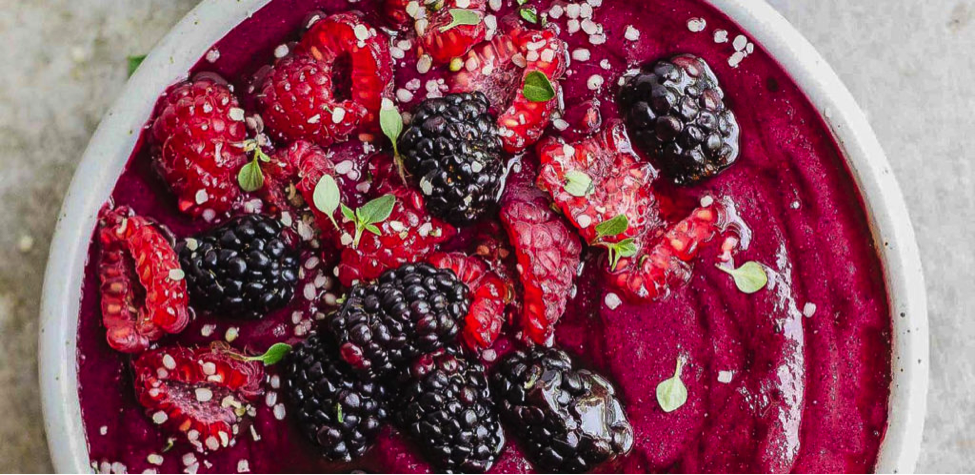
Beet Berry Smoothie Bowls With Hemp Seeds


Prep time: 5 mins

Cook time: 1 min

Total time: 6 mins

Serves: 2

This makes one hearty portion or two small portions, feel free to double the recipe. The best part about smoothie bowls are the toppings. See notes for additional garnish options.

Ingredients

  • 1 cup frozen or fresh berries
  • 1/2 cup raw red beets, diced small {approximately 1 medium sized beet}
  • 1 banana
  • 1/4 cup ground flax
  • 2 handfuls greens {baby kale or baby spinach}
  • 1/2 cup unsweetened almond milk

Instructions

  1. Blend all of the ingredients until smooth.
  2. Top with additional garnishes.

Notes

Garnish options: drizzle of honey or maple syrup, fresh berries, hemp seeds, chia seeds, bee pollen buckwheat groats or lemon thyme.

3

LUNCH


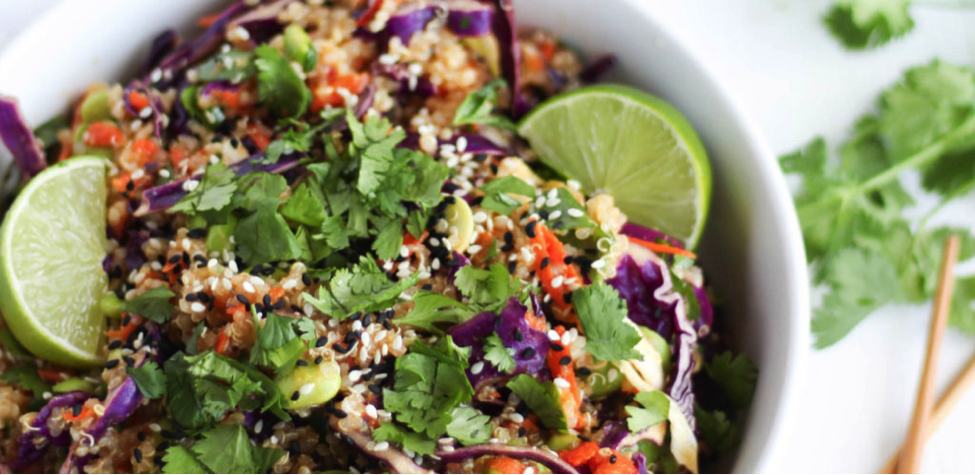
Asian Quinoa Salad With Sesame Miso Dressing

Serves 6-8
Prep time 10 minutes
Cook time 20 minutes
Total time 30 minutes
Dietary Gluten FreeVeganVegetarian
Meal type Main DishSaladSide Dish
  • Ingredients
    • 1 cup white quinoa, dry
    • 2 cups water
    • 1 cup shelled edamame
    • 2 cups shredded red cabbage
    • 1/2 cup shredded carrot
    • 1/2 cup fresh cilantro leaves, chopped (plus more for garnish)

    for the sesame miso dressing

    • 3 tablespoons miso paste
    • 2 tablespoons extra virgin olive oil
    • 1 tablespoon sesame oil
    • 1 tablespoon rice wine vinegar
    • 1 tablespoon chili paste
    • 2 tablespoons low sodium soy sauce
    • juice of half a lime
    • 1 tablespoon maple syrup or honey (optional)
    • 2 tablespoons sesame seeds (white or black, I used both)
    Directions

    Step 1
    Boil 2 cups of water and 1 cup of quinoa is a medium pot. Turn down to simmer and cover for 15-20 minutes. Quinoa is cooked when water is absorbed and it’s fluffy.
    Step 2
    While quinoa is cooking, chop red cabbage into thin slices and shred carrots. Steam edamame if frozen. Chop cilantro leaves. Place all vegetables in a large bowl.
    Step 3
    Whisk the dressing ingredients together in a separate bowl and set aside.
    Step 4
    Time to combine everything! Add cooked quinoa to the bowl of vegetables and stir to combine. Add in the sesame miso dressing and stir to coat. Top with more fresh cilantro and sesame seeds. Serve it up!
    4  


    DINNER

    Spaghetti Squash Lasagna Boats


    INGREDIENTS

    for the filling:

    • 2 spaghetti squash
    • 1 tablespoon olive oil
    • 2-3 garlic cloves, minced
    • 3-4 cups baby kale
    • 1 cup part skim ricotta cheese
    • 1 cup shredded Mozzarella cheese
    • a pinch of salt and a squeeze of lemon juice

    for the sauce:

    • 1 tablespoons olive oil
    • 2-3 cloves garlic, minced
    • 1 lb. ground turkey
    • 1 28-ounce can crushed tomatoes
    • 1-2 cups chicken or vegetable broth
    • 1 teaspoon salt
    • a pinch of Italian seasonings like oregano, parsley, and basil
    • a few glugs of red wine and/or a splash of red wine vinegar or balsamic vinegar

    INSTRUCTIONS

    1. Squash:Preheat the oven to 350. Cut the squash in half and scoop out the seeds. Place the squash cut-side up in a baking dish and bake uncovered for 50-60 minutes. Pull the squash strings out with a fork and transfer to a large mixing bowl (be careful since you’ll want to preserve the squash shells to use as the “boats”). The squash strings should look like spaghetti.
    2. Sauce:Meanwhile, while the squash is cooking, heat the olive oil over medium heat. Add the garlic and saute for 1-2 minutes until just fragrant (not browned). Add the turkey and cook, stirring frequently and breaking the meat apart into small pieces until fully cooked. Add the tomatoes, salt, seasonings, red wine, and vinegar. Simmer for 20 minutes or so (until the squash is done). Add broth to thin out the sauce if needed.
    3. Filling: Heat the olive oil over medium heat. Add the garlic and kale, stirring until the kale is just wilted. Combine the kale in a small bowl with the ricotta, salt, lemon juice, and 1/2 cup of the shredded cheese. Add the cooked spaghetti squash and stir to combine.
    4. Arrange: Fill the boats with the spaghetti squash mixture and top with tomato sauce and remaining shredded cheese. Bump the temperature up to about 425 and bake for another 10-15 minutes to get the cheese nice and melty. Top with Parmesan, olive oil, parsley, and salt and pepper.


    By: Brittany Risher


December

december

This month is going to be: “All about Comfort”!

You will find some simple techniques which will help you have a physically and mentally balanced Holiday Season, as well as some immune boosting recipes.

This is Modern Well-Being!

Enjoy!

Will Yoga and Meditation Help You Live Longer?

6

Science has finally caught up to give a definitive answer whether your practice is the secret to a long, healthy, and youthful life.

Anti-aging hacks are hardly new. Legend has it, Cleopatra used to bath in donkey milk to extend her youthful glow. Now that we’re living longer—average life expectancyhas risen from age 50 to 75 over the last century—the drive to extend our stay here on earth is much higher. As a culture, we spend billions trying to beat the clock, from consuming antioxidants to optimize health to maintaining expensive skincare rituals to doing crazy cleanses, and much more. Among the physical activities we do to stay young is yoga, and now science supports that your practice may really be the fountain of youth.

At the pop-up conference, Yoga & Science: The Emerging Science of Consciousness Regeneration, Health, and Longevity, in Brooklyn this spring, the top names in the yoga and meditation research communities united to talk about this very topic. They shared how yoga and meditation not only help keep us flexible, but also improve memory, neuroplasticity, immunity, epigenetics, and lifespan.

“Humans have an enormous capacity for self-regulation,” says Sat Bir Khalsa, PhD, assistant professor of medicine at Harvard Medical School at Brigham and Women’s Hospital, and Research Director for Kripalu in Massachusetts. “You can influence gene activity through lifestyle modifications. We’ve even seen healthful practices down-regulate cancer cell growth. This is profound. At a cellular and molecular level, yoga, meditation, and breath work can ignite significant change,” Khalsa says.

A 2015 study published in Frontiers in Human Neuroscienceconfirmed this notion, proving that yoga can impact brain activity, plasticity and stress reduction. The way it works is that yoga lights up the parasympathetic nervous system while reducing the response of the sympathetic nervous system, best known for “fight or flight” mode. In other words, when we practice, we lower our cortisol, or stress hormone, levels and, as a result, “lifestyle diseases and other chronic conditions can be modified if you develop such tools of self-regulation,” Khalsa says.

Another study—the first of its kind—published in Oxidative Medicine and Cellular Longevitythis year further shows the impact yoga and meditation have on cellular aging. “Making yoga and meditation an integral part of our lifestyle may hold the key to delay aging, or aging gracefully, prevent onset of multifactorial complex lifestyle diseases, promote mental, physical, and reproductive health, and prolong youthful healthy life,” wrote lead researchers from the All India Institute of Medical Sciences.

Research published in the Journal of Alzheimer’s Diseasein 2016 also found that yoga was more effective at promoting brain activity, specifically memory function, compared to puzzles or other mind-stimulating exercises. Study participants who practiced yoga also saw a decline in anxiety and stress, two common factors that tend to speed up the aging process.

While this body of scientific research is still in its infancy, the results, so far, reveal that when it comes to the health benefits of yoga and meditation, the perks are plentiful and undeniable. What’s more is that it’s never too late to start yoga. Regardless of your age and fitness level, it’s how often you practice that will make the biggest difference, according to data published in Evidence-Based Complementary and Alternative Medicine.

Not ready to get bent on the mat? Try this entry-level practice: Alternate nostril breathing, or nadhi shodhana, with the help our holistic health expert and creator of the Just Sit Series, Lisa Hedley. This powerful practice will help calm the mind, soothe the nervous system, and maybe add a few minutes, hours, days, weeks, months or years to your life, depending on how often you do it.

https://youtu.be/YEaFYcq6zM0


By Kimberly Jordan Allen

A Meditation for Emotional Clarity

5

Keeping your cool when someone is getting under your skin involves emotional awareness, affect regulation, and interpersonal effectiveness skills. Let’s look more closely at how to develop more knowledge of your emotional states.

The first step is to become more observant of what you are feeling in relation to this person moment-by-moment. Rather than try to figure this out when you are in the hot seat, it is more useful to work on these skills when you are in a state of balance. Take note when you are starting to lose your temper. Here’s where a mindfulness practice can help you track your emotional experience and maintain emotional balance. Take a few minutes to try this exercise to cultivate this skill.

Take a minute to connect into your breathing.

As you continue to focus on your breath, scan your thoughts, emotions, and body sensations to get a baseline measure for how you’re feeling. You will need this understanding to be able to determine how different events change your response.

When you feel settled, bring into the mind a situation in which you felt mildly triggered by someone. It is best to start with a minimally triggering interaction here. Beginning with a big trigger or trauma can result in flooding and is not advisable and can be dis-integrating rather than integrating.

As this situation comes into your awareness notice now the changes in your mind or thoughts, emotions, and physical sensations.

As best as you can, see if you can stay with this experience long enough to be able to take note of how it feels.

When you are ready to complete the practice, take a few long, deep breaths to create a feeling of calm and equanimity, and use a clear exhale to release this exercise.

Take a few minutes to journal about this practice so that you can record this data to inform your development of coping strategies.

If you try this practice and have difficulty noticing or articulating your experience, know that is part of learning this type of awareness. Many of us are overtrained cognitively, and subsequently, may experience some challenges in locating the emotion in the body. It takes time and practice. Some may find, in doing this training, they experience a tightening through the muscles, a clenching of the fists, a clamping down of the jaw, and a feeling of heat in the body, among a variety of different emotions and sensations.

Now that you have this data about how you tend to feel when you are triggered, you can work to deliberately counter these areas of tension when they arise.

For example, if you are in a tight spot with this person and notice the jaw clenching, then you can intentionally take a breath into that clenching, and with the exhale deliberately let it relax. Follow this same approach for all other areas that tense up.

Similarly, it is best to practice intentionally relaxing these muscles when you are not triggered. I recommend clearing time every day to practice progressive muscle relaxation. Essentially, this practice involves purposefully tightening all the major muscles in the body, holding that pressure for a bit (however long it takes to get familiar with the tension), and then exhale to let that stress go. This practice develops your ability to notice and release tension more readily.

The goal of these practices is to prepare yourself to stay centered when interacting with this person. The importance of keeping a clear mind is that it gives you the opportunity to relate to this person with reason, logic, and healthy assertiveness.

After considering the above, you must also assess if this is a toxic relationship. A toxic person is one who dims your spirit, sucks your energy, attacks and ridicules. None of those feel good at all, so you can see why a healthy choice may be to end the relationship. However, if they are here to stay, consider the following strategies outlined in The Dialectical Behavior Therapy Skills Workbookby Matthew McKay, PhD, and colleagues.

The first approach is to get yourself grounded before interacting. You can get rooted by using the skills that you developed in progressive muscle relaxation and deep breathing. These two fundamental skills are tremendously valuable. So, literally take a few minutes or longer to center yourself before meeting this person.

Another option is to imagine ahead of time how the interaction may go. Remember that adage that the best predictor of future behavior is past behavior. Plan for whatever attack strategy you think will come, so you are ready. Lastly, experts suggest that you may even have a script prepared and memorized to guide your interaction. If you stick to your written plan, then there is no reason to get triggered or off balance. You have not given away your center. You’re focused.

When you are free of the interaction, you may take some time to reground yourself and offer yourself some healing energy and blessings. For example, you can put your hands on your heart, breathe, and say to yourself, “May I have peace in my heart, peace in my mind and emotions, peace in my body, and peace in my spirit.” End this blessing with a sweet, long, full breath in through the nose, and a long, relaxing, audible sigh out through the mouth.

By: John Rettger