

Happy fall everyone! It is Sevina, your host. Let’s have a simple, happy and healthy autumn!
Enjoy the articles below.
Namaste!
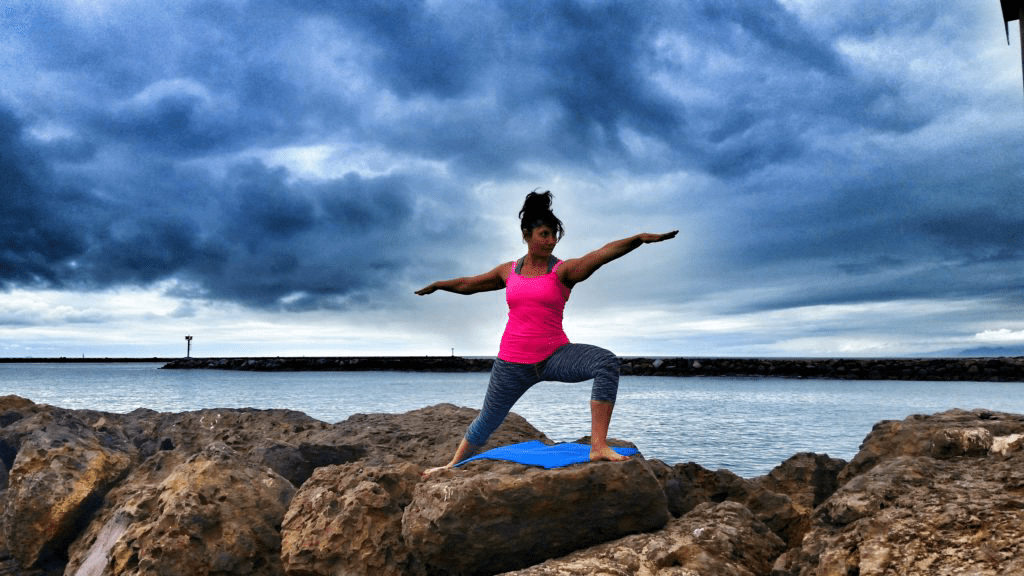
The Healing Power of Yoga

By Sevina Altanova
Hello current or future Yogi,
The practice of yoga goes far beyond just stretching, it involves physical discipline, and committing yourself to live by high moral standards.
Let’s start a journey together to build your mind and body awareness!
How Yoga Changes Your Body
There are lots of reasons why we practice yoga. Some of us first came to yoga to reduce stress, some wanted to lose weight, tone our muscles or get more flexible. Yoga offers wide-ranging physical health benefits that get constantly proven by scientific research. Those benefits are both short and long term, which makes yoga an all-round beneficial practice.
“Here’s what happens to your body after days, months and years of yoga”
After Class:
• Lower Stress Levels. Yoga calms body and mind, reducing your stress levels. According to research, yoga’s stress-busting powers may come from its ability to lessen the activity of proteins that are known to play a role in inflammation.
• Increased Flexibility. No rocket science: the more you stretch your muscles, the more flexible to become.
• Improved Brain Function. Just 20 minutes of yoga can improve cognitive function, boosting focus and working memory.
• Alter Gene Expression. Studies suggest yoga’s ability to alter gene expression in immune cells, strengthening the immune system.

After A Few Months:
• Weight Loss. Just a few months of yoga can help decrease body mass index, even with no diet changes.
• Anxiety Relief. A 2010 Boston University study showed that 12 weeks of yoga could help to reduce anxiety and increase gamma-aminobutyric (GABA) levels in the brain (low levels of GABA have been linked with depression and anxiety disorders).
• Lower Blood Pressure. Research confirms that yoga can help to lower blood pressure levels in a more effective way than walking/nutrition/weight counseling.
• Reduced Chronic Pain. Different studies have proven the reduction of various kinds of pain after a few weeks of yoga that stresses proper alignment. In some cases, yoga can reduce pain more effectively than a standard medical treatment.
• Improved Lung Capacity. After a few months, yoga can increase vital lung capacity (one of the components of lung capacity), which is the maximum amount of air exhaled after taking a deep breath.
• Improved Sexual Function. A 2009 Harvard study showed that yoga could boost arousal, desire, orgasm and general sexual satisfaction for women.
• Steady Blood Sugar Levels in People with Diabetes. Adding yoga to a typical diabetes care regimen could result in steady blood sugar levels, according to a 2011 Diabetes Care study.

After Years:
• Healthy Weight. Research backs the fact that there’s an association between a regular yoga practice and decreased (or at least maintained) weight.
• Stronger Bones. Studies show that practicing yoga can improve bone density among older adults.
• Lower Risk of Heart Disease. As part of a healthy lifestyle, yoga may lower cardiovascular risk factors such as high blood pressure, cholesterol and blood sugar, according to Harvard Health Publications.

Book your class – online or in person 🙂
www.StressManagementResources.com
Natural Ways to Boost Immunity, Balance Vata, and Lean into the Joys of Autumn
By Heidi Spear

Mind-body health
Welcome autumn when school begins, the number of evening hours increase, and vata dosha characterizes the new season. September marks the perfect time to reinstate routine into our lives, as we walk in autumn air that cools our cheeks. For some, the idea of routine might sound restrictive. In reality, routines help balance vata dosha, leading to a sense of being grounded, nourished, and supported. Cherishing the differences of each season and altering our self-care routines accordingly paves the way for smooth and joyful transitions allowing us to appreciate all that nature offers.
Instead of fighting against longer evenings, we can use this time to restore energy that we expended during the summer pitta season, reflect on the year that has passed, and take our time preparing for winter. There are special ways to enjoy long evenings, and on special occasions various traditions around the world have autumn festivals that celebrate light, such as Diwali, Hanukkah, and Mooncake Festival. The candles, fireworks, and lanterns glow bright against a dark sky.
Here are practices that just might turn this into your new favorite season.
Hygge: Always in Style
Imagine walking into a cozy living room with a fire burning in the fireplace and fluffy blankets draped over comfortably cushioned loveseats. The feeling this image evokes is hygge, a term from Danish culture. Best-selling author of The Little Book of Hygge: The Danish Way to Living Well and CEO of The Happiness Research Institute based in Copenhagen, Meik Wiking believes the art of creating hygge contributes to why Denmark is known to be the happiest country in the world.
Wiking explains that creating hygge in the home doesn’t require a lot of money. It’s primarily about lighting (especially candlelight), having friends and family around, and enjoying a sweet treat while experiencing that feeling we all know so well and want more of in our life.
As nights become longer in fall and winter, it’s the perfect time for intentionally lounging around surrounded by amber hues of soft light. Wiking says that Danes are “obsessed with lighting,” and in an interview about hygge and happiness he says “describing an evening as ‘hyggelige’ is the greatest possible compliment you can give a Danish host.”
How to achieve hygge at home:
• Stop work by 5:30pm
• Change into comfortable clothes
• Light a candle (or two or three) and turn off bright lights
• Relax and enjoy a sweet treat with loved ones
• Do not feel pressure to talk, instead enjoy music or silence as you sink into the cozy feeling together.
If you aren’t used to creating this atmosphere at home, think about small changes you could make. Even in a small living space, if you clear away the paperwork and light a candle you’d be amazed at the difference. Think about other places where you’ve experienced hygge — a spa, a meditation retreat, a ski lodge — and come up with simple ways to recreate that atmosphere each night. This kind of coziness is one of the many comforting ways to balance vata.
Sipping warm drinks also induces relaxation and pacifies vata. Try a warm cup of golden milk or ginger tea any time of day and especially at night as you wind down.
For many, it will help to stay off screens at night. Listen to the sounds of nature, notice the stars and the moon, and experience how longer nights invite deeper relaxation. Or, some might find using screens helpful as a way to relax. Especially for children it might be the best way to help them deal with stress during the pandemic, as Chopra Global’s CEO Mallika Chopra mentions on Good Day New York. She also suggests meditating, dancing together, and playing games during these particularly challenging times, while noticing that different children will have different needs. When it comes time for bed, though, turning screens off one or two hours before bedtime has been known to help with sleep.
Bedtime in Autumn
Bedtime can be an auspicious time, letting go of the day and envisioning our true desires for our future that become clear once the daily distractions are behind us. By enjoying warm drinks like golden milk, practicing self-massage with oil, and sitting still for meditation, our awareness can sink into this fertile time to plant seeds of ideas that can blossom in the spring.
A practice that is known both for deep relaxation and for planting seeds for the future is yoga nidra, or yogic sleep. Said to be one of the most deeply restorative practices, yoga nidra is best experienced as a guided practice. You will be guided to set an intention at the start of the practice, then once you are deeply relaxed you will be guided to bring that intention back to mind. In that special state between sleep and wakefulness, your intentions plant themselves deeper than the level of the waking conscious mind. To practice yoga nidra, search for it on meditation apps and try this this sleep meditation guided by Deepak Chopra.
If taking time for ourselves during the evening might feel selfish, let us consider what example that sets for others who live with us or know us well. Tracee Stanley, author of Radiant Rest: Yoga Nidra for Deep Relaxation & Awakened Clarity, poses this question, “If part of your legacy were to change the relationship to rest and self-care for your family lineage, how would you begin?” We naturally are influenced by those in our innermost circle. With burnout so prevalent in our culture, we have an opportunity to do something different and think of the impact it has on future generations.
Considering hygge for our home and following Ayurvedic and yogic practices at night not only will feel nourishing, but also these practices can balance vata, reduce the effects of stress, boost immunity, and allow us to fall in line with the rhythm of nature. Befriending longer nights opens us up to the joy of the season and evening practices help set the stage for better sleep and therefore a better start to the next day.
Warm Up with Sweet Potato Black Bean Soup
By April Duckworth

This recipe is delightful as we feel a suggestion of Fall in the air.
Vegan, dairy-free, gluten-free, oil-free
Serves 8 to 10
Ingredients:
• 1 small white onion
• 1 medium-sized lemon
• 3 garlic cloves, minced
• 2 tablespoons of fresh ginger, finely chopped
• 6 organic sweet potatoes
• 4 cups organic vegetable broth
• 1 lb black beans, soaked overnight
Cashew Cream Sauce:
• 1 cup organic cashews
• 3 cups water
• ¼ teaspoon ground black pepper
• ¼ teaspoon dried rosemary
• Zest of 1 medium-sized lemon
Directions:
1. Start by soaking the black beans in water overnight to improve digestion.
2. In a Dutch oven or large saucepan, heat onion (using a little veggie broth) and sauté for 8-10 minutes, or until the onions are translucent.
3. Add the garlic and ginger and sauté for 1 minute.
4. Add the sweet potatoes, soaked beans (after draining), and vegetable broth. Bring the soup to a boil.
5. Turn the soup down and let it simmer for 40-45 minutes, or until the beans are soft.
6. While the soup is simmering, prepare your cashew cream sauce:
– Add the cashews, water, lemon zest, and rosemary to a blender.
– Blend until smooth
– Stir into the soup and taste with pepper.
7. Add cashew cream sauce to the soup and stir until thoroughly blended.
8. Store leftovers in an airtight container in the refrigerator for up to 5 days.
Enjoy the seasonal transition into fall with this delicious soup with a side of steamed greens, an excellent source of antioxidants and iron. Mealtimes can be calming and relaxing. Nourishing our bodies is of vital importance, and can be a time of peace, as we also nourish our mind and spirit through these beautiful plant-based foods.
 Healing through Art