

Hello everyone, as we’re still adjusting to the isolated lifestyle, as we have for almost two months now due to COVID-19, let’s not forget that this is the perfect time to work on ourselves. We have a special seed of opportunity to develop our skills even more, so to move faster on the path of our life’s purpose. Many times, this point of view can be difficult to embrace in the midst of what appears to be a setback, as this global pandemic is, but now is the time to do more for your personal growth.
Enjoy the articles below.
Namaste!
10 Foods That Help Boost Your Immunity to Fight COVID-19
By Erin Easterly, Ayurvedic Therapist and Educator, and Yoga Teacher
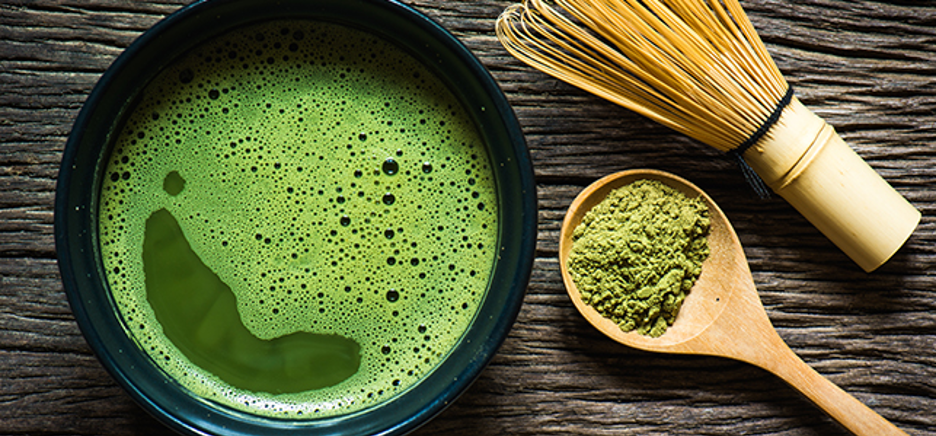
While adequate sleep, movement, and coping strategies lay the foundation for strong immunity, nutrition arguably plays the biggest role in decreasing susceptibility to infectious disease
Businesses have shut their doors, students have moved to virtual education, and medical facilities have ramped up their staff. Yet, one piece of the pandemic puzzle that is notably absent from the public conversation is how to bolster immune function so that your body can effectively fight off COVID-19, should you be exposed.
Each time you eat, the body is flooded with substances that either increase or degrade the immune response. By removing foods that deplete immune system resources (e.g., sugar, alcohol, and refined carbohydrates) while simultaneously incorporating ones that shore up immune defenses, the body’s white blood cells receive the nourishment that they need to promote optimal immune system function.
The following is a list of 10 immune-boosting foods that radically escalate the immune system’s ability to destroy pathogens. In combination with good hygiene, these foods can bolster your immune system’s ability to maintain health.
-
Broccoli Sprouts
Packed with powerful antioxidant properties and other nutrients, broccoli sprouts are optimal for boosting immune health. Broccoli sprouts contain extremely high levels of sulforaphane, which not only has impressive anti-carcinogenic capabilities, but can fight off a common infection, detoxify environmental chemicals, combat autoimmune diseases, and even protect your brain after serious injury. Sulforaphane has been found to influence the epigenetic layer of certain parts of DNA that influence a number of disease-fighting functions.
In one human study, individuals living in a congested area infamous for its toxic air found that ingesting broccoli sprouts resulted in excretion of far larger quantities of airborne chemicals than a control group.
-
Matcha Green Tea
Matcha green tea is loaded with powerful plant-based antioxidants known as polyphenols. Studies suggest that a particular type of polyphenol found in matcha green tea, called catechins, may kill influenza (flu) viruses. One researcher summed up matcha tea’s superhero powers as follows, “GTCs [Green tea catechins] have been reported to provide various health benefits against numerous diseases. Studies have shown that GTCs, especially epigallocatechin-3-gallate (EGCG), have antiviral effects against diverse viruses.”
To ensure that your matcha tea is free from heavy metals, always purchase tea leaves grown in Japan, where soil quality is controlled.
-
Garlic
Throughout history, garlic has been used to prevent and treat various diseases. Recently, garlic has made a bit of a comeback as research has elucidated its antiviral, anti-microbial, and anti-tumor capabilities.
One study evaluated garlic’s effectiveness in treating a strain of coronavirus known as infectious bronchitis virus (IBV). It was found that garlic had inhibitory effects on IBV. Other studies found that garlic reduces the risk of becoming sick, as well as how long you stay sick. It can also reduce the severity of symptoms.
The way garlic is prepared can alter its health benefits. The enzyme alliinase, which converts alliin into the beneficial allicin (the main active component in garlic), only works when not deactivated by heat.
-
Ginger
Ginger is a great way to boost your body’s immune response and is commonly used to increase gut health, prevent the common cold, and reduce inflammation. Fresh ginger also contains a medicinal component known as gingerol that is known to inhibit viral activity in the human respiratory syncytial virus (HRSV). It is worth noting that the active components of ginger may work symbiotically with other components in the whole food source to exert their positive effects.
-
Olive Leaf
While you might not find an olive leaf in your pantry, it is readily available via herbal supplementation. The leaves of olive trees (Olea europea) contain substances called elenoic acid and calcium elonate that have been identified as powerful inhibitors of a wide range of viruses including influenza, herpes, polio, and coxsackie viruses. These substances block the production of enzymes that allow viruses to replicate, which is why an olive leaf is great for its immunity-boosting properties.
-
Propolis
Propolis is a compound produced by bees from the sap on evergreen trees. It has been used for centuries to fight infections and aid in a plethora of healing processes. Current research suggests that propolis may also possess antiviral properties. Propolis can be eaten as a whole food but is most often found as a capsule or tincture supplement.
-
Reishi Mushrooms
Ancient manuscript as far back as 25 CE describes the use of reishi mushrooms (sometimes referred to by the Chinese name Lingzhi) as potent medicinal tools. In the Chinese history book, Hanshu, reishi is referred to as the “Mushroom of Immortality.”
Modern research reveals that reishi mushrooms may kill cancer cells, boost immune function, and inhibit bacterial as well as viral growth. Researchers have suggested that reishi mushrooms have, “positive health benefits, including anticancer effects; blood glucose regulation; antioxidant, antibacterial, and antiviral effects.” Reishi mushrooms are too chewy to be eaten raw so they are best consumed in tea or powdered form.
-
Berries
High in vitamin C, berries are full of bioactive compounds, known as polyphenols, that neutralize harmful free radicals, bacteria, and viruses. In a 2017 review in the Journal of Functional Foods, “Research indicates that components of berry fruits may inhibit replication of [viruses] both directly and indirectly, e.g. by blocking surface glycoproteins of influenza virus and stimulating the immune system of the organism.”
A specific class of polyphenol, anthocyanins, have been touted as a “valuable resource of antiviral substances.” Topping the list of high anthocyanin berries are blackberries, raspberries, and wild blueberries. Frozen berries retain their anthocyanin values for up to three months so these are a viable choice.
-
Pepitas (pumpkin seeds)
Pepitas contain a wide array of vitamins and minerals (vitamin C, vitamin B, vitamin E, zinc) known to support immune health. In addition to minerals, these mighty seeds are also packed with cell-protective antioxidants. The lignans in pumpkin seeds (including pinoresinol, medioresinol, and lariciresinol) have also been shown to have antimicrobial, and especially anti-viral, properties. To maintain potency, pepitas should be eaten raw.
-
Coconut Oil
Now is the time for you to swap your olive oil for coconut oil, as this is one of the best foods for the immune system. In a formal statement published by Ateneo de Manila University (the Philippines), Dr. Fabian Dayrit from the university and Dr. Mary Newport of Spring Hill Neonatolody (U.S.) proposed the efficacy of coconut oil as a potential agent in the fight against COVID-19. They explained that coconut oil, and more specifically the lauric acid within it, causes disintegration of the virus envelope; inhibits the replication of virus cells; and prevents the virus from binding to the host agent. Though clinical trials have yet to take place, the takeaway message is that coconut oil can act as a powerful ally in protecting your body from viruses, including COVID-19.
Now that we have listed some of the best foods for the immune system, you can begin integrating them into your diet each day. Through this, you provide yourself with the boost that you need to fight infections and keep your body functioning at optimal capacity. Incorporating immune-boosting foods rich in vitamin C, nutrients, and healthy fats will keep you healthy and support your blood cells in protecting your immune system. Together with good hygiene and social distancing practices, these immune-boosting foods are simply good medicine.
5 Simple Yoga Poses to Do with Kids
By Lena Schmidt, Certified Yoga Instructor

Home with the kids? Looking for a fun and invigorating—yet consciously calming—activity to do with them? Yoga is the ticket!
Yoga is a holistic approach to health and well-being and includes physical postures, breathing techniques, meditation practices, and concentration exercises. Yoga poses can be stimulating, grounding, energizing, and relaxing. Due to its nature of intentionally connecting the body, mind, and spirit, yoga is well suited for children and adults of all ages.
To practice yoga with kids, clear an area for physical movement. Yoga can be practiced on the carpet, on the floor, on yoga mats, on towels, outside on the grass, or even on the beach. Get creative with how you will use your space. If necessary and possible, move any breakable items and clear away clutter.
Keep the following tips in mind when preparing for a yoga practice with kids.
Be Dynamic
One of the best ways to keep kids’ attention during a yoga session is to vary the types of movements and shapes they make with their bodies and the speed at which they do them. This is especially important to remember for yoga with younger children. For example, their yoga practice might start with poses close to the ground but then invite them to quickly get up for standing poses. Their yoga practice might include a hopping, flapping Flying Bird Pose instead of a long-held static Eagle Pose. For a dynamic practice, encourage movement and exploration within the boundaries of the poses.
Be Creative
Allow and encourage movements that may seem silly, wild, or “not real yoga.” Many yoga poses are well suited for free expression. Instead of worrying about alignment or correctness, invite ideas and fresh perspectives from the young practitioners. Let your own beginner’s mind be tickled by the creativity cultivated.
Start Loud
Sometimes yoga poses, especially those based on animals, call for making sounds—and that can be loud. Consider modeling and encouraging noises for animal poses such as Lion’s Breath, Cow, Cat, Downward Facing Dog, Frog, Dolphin, and Pigeon. You may be surprised how much kids know about the sounds animals make! Similarly, normalizing body sounds (such as stomping, cracking and popping, farting, yawning, grunting, and squeaky feet on the floor) can help build confidence and self-esteem.
If your intention is to get out energy, let the entire practice be loud. If your intention is to calm the body and quiet restlessness, as you wind down your practice, even if it started out noisy, encourage whispers and quiet voices to support relaxation.
Try the following poses individually or strung together as a short sequence. Practice these poses with the children in your life or help them create a yoga routine for themselves. Put on some mellow music. Invite the kids to be involved with choosing some sacred items to go on an altar. Invite the kids to help with the arrangement of the space. These poses are designed for children ages three years to 10 years old and can be modified to be practiced in a chair, a wheelchair, or lying in a bed. The optional guiding questions are designed to be asked during the poses to maintain attention or after the poses for reflection.
1. Butterfly Pose
How to Do It
- Sit on the floor.
- Bring the bottoms of your feet together to touch. Let your knees open out wide like big, beautiful butterfly wings. Your legs could be resting andstretching or your knees could flap like wings. Your arms can move like wings, too, or massage your feet. Sit up tall or fold your head forward toward your feet.
- Breathe in and out for as long as you’d like.
- When you are finished flying, give your knees a big hug.
Guiding Questions
- Where would you like to fly today?
- What colors are your wings?
- If you could fly to visit anyone, who would you like to visit?
- If your nose is near your toes, do you have stinky feet?
- Where in your body do you feel this pose helping you stretch or feel relaxed?
2. Tree Pose
How to Do It
- Stand on one foot and find your balance. Your feet are your tree roots.
- Bring your other foot onto your ankle, calf, or upper leg and push. Stand up as tall as you can. Reach your arms like tree branches into the air and reach for the sun. Remember that trees bend and sway with the wind so don’t worry if you are wobbly!
- Try your Tree Pose on the other foot. Breathe in and out for as long as you’d like.
- When you are finished balancing, stand on both feet and be still for three breaths.
Guiding Questions
- What kind of tree are you today?
- What color are your leaves?
- Where are you growing?
- What animals live near you or in you?
- Where in your body do you feel this pose helping you stretch or get stronger?
3. Airplane Pose
How to Do It
- Rest on your belly and stretch your arms and legs out long. When you are ready for take-off, lift your arms, legs, and head up as high as you can. You are flying!
- Move your arms and legs as you fly through the clouds and be still as you cruise.
- Breathe in and out for as long as you’d like.
- When you are finished flying, flop onto your belly and turn your head to one side as if you are sleeping. Be still for five breaths.
Guiding Questions
- Where would you like to fly today?
- If you could fly to visit anyone, who would you like to visit?
- How long do you think it will take to fly there?
- What kinds of snacks should we pack for the trip?
- What else do we need to remember to pack?
- Where in your body do you feel this pose helping you stretch or get stronger?
4. Seed Pose
How to Do It
- Come to your hands and knees and sit back toward your heels.
- Bring your big toes together and your knees together and curl up into a tiny little ball. Your arms could stretch forward or backward.
- Breathe in and out for as long as you’d like.
- When you are finished germinating, begin to sprout and—slowly—start to roll up to sitting or standing. This pose is also called Child’s Pose, a pose named for kids who do yoga just like you!
Guiding Questions
- What kind of sprout will you grow into when you are watered and tended?
- How long will it take you to grow?
- Where are you planted?
- Who planted you?
- Where in your body do you feel this pose helping you stretch or feel relaxed?
5. Sleeping Pose
How to Do It
- Rest on your back or your side as if you are sleeping. You can close your eyes or just keep them half-open. Remember this is only pretend sleep, but if you do start to feel sleepy, it’s okay to take a nap.
- Let your body rest. Breathe in and out for as long as you’d like. If you have time, put on some deeply mellow music, like wind chimes, singing bowls, or bells to assist in relaxation during sleeping pose.
- When you are finished sleeping, stretch and yawn like you are waking up in the morning and roll yourself up to sitting or standing.
Guiding Questions
- What are you dreaming about?
- Where is the most comfortable and cozy place to sleep?
- Where in your body do you feel this pose helping you rest or feel relaxed?
If you are a regular yoga practitioner, yoga with kids may look, sound, and feel different than your adult yoga class or sadhana, but enjoy the variety in your practice and enjoy this time together. Namaste!
Hug it Out! How and Why to Connect with Your Pets During Social Distancing
By Lena Schmidt, Certified Yoga Instructor
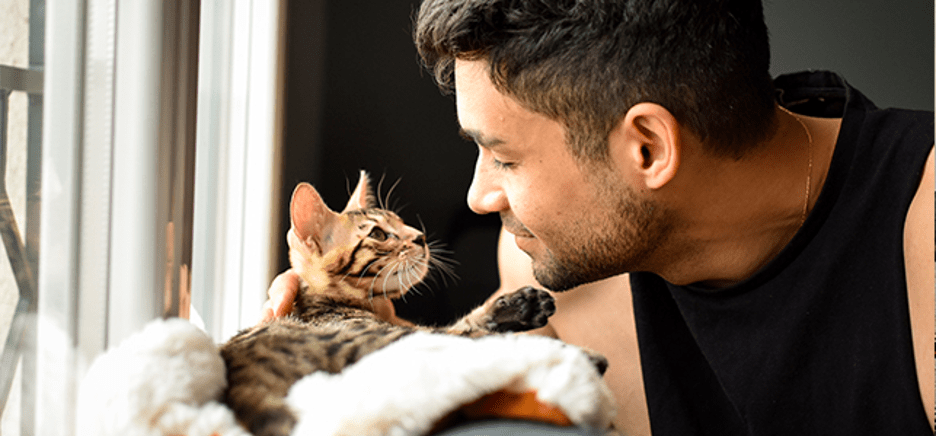
Social distancing during coronavirus doesn’t mean you can’t play, snuggle, and chat with your pet. You and your pets will benefit greatly from your intentional attention.
Pets add so much to your life on a daily basis. Now, more than ever, they can help you combat the serious loneliness, depression, and isolation that potentially comes along with this pandemic. Dogs, cats, hamsters, rats, lizards, fish, turtles, snakes, insects, birds—whatever your choice—all make great companions. Connecting with nonhuman life at a time when everyone is encouraged to stay home and avoid contact is vital. Caring for, cleaning up after, and feeding pets can be a lot of work, it’s true. But they are also excellent sources of great joy and deep love.
Although it’s not a good idea to allow strangers to pet or touch your animals, the coronavirus (COVID-19) has not been shown to be passed on through contact with pets. It is always recommended, however, to wash your hands before and after you play with your pet. If you don’t have a pet of your own, take a walk through your neighborhood (if that’s currently permitted) and notice what animals you see and hear. If you’re stuck inside without a pet, check out the live cameras at some of the world’s most famous animal attractions like the San Diego Zoo and the Monterey Bay Aquarium.
Here’s why it’s helpful to connect with your pets during social distancing:
They Are Good Listeners
Animals might just be the best listeners. If you are feeling lonely or craving community, turn to your sweet nonhuman friend and share your heart. Animals can help you heal and remind you how to be effective communicators: they often maintain eye contact, they don’t talk back or give unsolicited advice, and unless you’ve trained your pet bird to speak, your secrets will be safe with them!
It Helps Them Too
Animals pick up on your energy. If you have been feeling panicked, weary, or sad lately, your beloved pet probably knows. They can tell when something is off. By soothing them with words, gentle touch, and attention, you will be comforting each other.
They Are a Good Distraction
Your pets can help you get off the phone/computer. Animals can remind you to stay in the here-and-now since they are very present-moment oriented. Take at least two minutes every hour to connect with your animal and your brain and body will enjoy a nice reboot.
Here are some ways to connect with your animals during this time (and anytime really!). Though most of these ideas are shared with our four-legged friends in mind, we encourage you to creatively adapt them in ways that make sense for your particular pet.
Play
Though not all animals play (do sea anemones play?), many do. You can wrestle or play fetch with your doggy, throw a toy for your kitty, or trace your finger on the fishbowl for the fish to follow. Play, for children, adults, and animals alike, is a cognitively rich experience that has intellectual, social, emotional, and physical benefits. Tug-of-war never sounded so good!
Snuggle
If you’ve been feeling the lack of connection and touch lately, your pet can be a beautiful placeholder until people can safely hug each other again. Give an extra-long, behind-the-ears scratch to your pup; give your kitten some full-body, purr-inducing strokes; let your hamster climb over your arms; or enjoy a full-on embrace if your animal is amenable. Breathe in sync with your animal as you connect and you’ll both feel the relaxing effects.
Go for a Walk
Your pet may be your only reason to get outside sometimes. Let them be that reminder for you to get fresh air, get off the internet, and remember the wide world. Instead of lamenting the daily task of taking the dog out for that morning stroll, however cold or tiresome, could you allow that to be sacred time? Maybe it’s an activity that the whole family can enjoy together or maybe it’s your 20 minutes of alone time. As you walk the dog, wave to your neighbors (from six feet away, please). Sniff big gulps of air when your dog stops to sniff and cherish this time outdoors. Exercise and fresh air are both mood boosters, so make sure to thank your pet for the opportunity to step outside with a special treat when you get back home.
Cook and Craft for Your Animal
If you find yourself with a lot of time on your hands, get creative! You could bake biscuits for your dog, sew a satchel full of catnip for your kitty, make birdseed cones from scratch, or draw out and redesign your animal’s playpen or cage. Do some research and find out what your animal might most safely enjoy as a snack or a toy and make it into a craft day.
It is often said that your pets are your best friends; though you are prohibited from hanging out with your human best friends for safety purposes, you can make the most of this time, and increase your feelings of well-being, by connecting intentionally with your animal best friends.
Summer Rolls
A healthy, easy spring roll appetizer that’s just as fun to make as it is to eat!
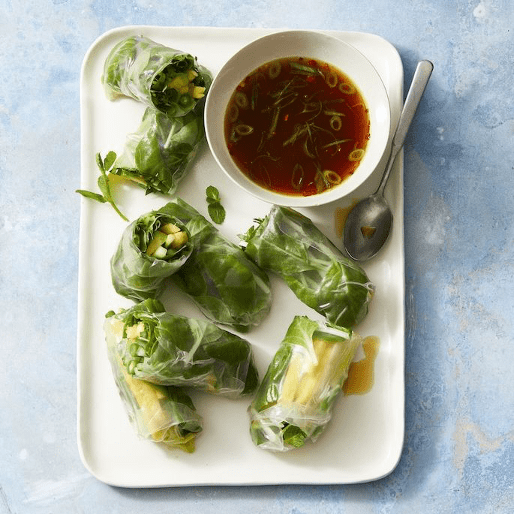
Turn an easy appetizer or dinner into a fun family activity with this summer rolls recipe — it’s a blast to make and even more enjoyable to eat! This Vietnamese restaurant staple is easy to make at home with store-bought rice paper wrappers, your favorite veggies, and an addictive dipping sauce.
Stuffed with a ton of fresh vegetables like baby greens, cucumbers, and blanched green beans, our summer rolls recipe is as healthy as it is heavenly. Slices of creamy avocado balance out all that crunch, while sliced scallion and mint provide fragrant freshness. Pineapple is an unexpected addition that adds the perfect touch of sweetness.
This easy appetizer is vegetarian, but you can add cooked shrimp, ground pork, or chicken to the filling if you’d like. Or, use roasted tofu cut into matchsticks to keep this recipe vegan. Feel free to mix-and-match the filling based on what you like, but a truly rockin’ homemade summer roll should have something leafy and green, something sharp and aromatic, a little (or a lot!) of crunch, and plenty of fresh herbs. Plus — a delectable dipping sauce that keeps you coming back for more … and more.
Summer rolls also make for an easy, adaptable, healthy snack or light dinner. Set them out as an appetizer next time you have people over — just don’t expect them to last very long.
How do you assemble a summer roll?
Wrapping a good summer roll takes practice, but our streamlined technique makes it easier. Here’s how it’s done: Start by dipping your rice paper in a little warm water, just until it’s pliable. Place it onto a work surface and arrange some of the filling in the center. Fold the two shorter sides of the rice paper over the filling first, then fold in the bottom, longer side and roll to seal. See? You’re a pro!
What do you serve with a summer roll?
A summer roll should always be served with a dipping sauce — it’s (probably) the law. Ours combines tangy lime juice with sweet-sour rice vinegar and soy sauce for a delicious, zesty dunker that perks up the crunchy vegetable appetizer. Bonus: use up leftover sauce in stir-fried veggies and rice, tossed into noodles, or as a flavor booster in a soup or broth.
A plate of colorful, expertly-wrapped summer rolls and a bowl of dipping sauce is a great way to get a party — or a simple weeknight dinner — started. Ready to rock n’ (summer) roll?
Ingredients
For dipping sauce:
1 1/2 tbsp.
lime juice
1 tbsp.
rice vinegar
1 1/2 tsp.
low sodium soy sauce
1 tsp.
water
1
scallion, green part only, thinly sliced
1/2 tsp.
maple syrup
1/4 tsp.
red pepper flakes
For rolls:
8
rice paper (spring roll) wrappers
1 1/2 c.
baby greens (we used pac choi)
1
ripe avocado, sliced
1
scallion, cut into 4-in. matchsticks
1/4
pineapple, peeled and cut into 4-in. matchsticks
1/2
English cucumber, cut into 4-in. matchsticks
4 oz.
green beans, trimmed and blanched
1/4 c.
fresh mint leaves
1/2 c.
pea shoots (about 1 oz)
Directions:
- Make the sauce: In bowl, whisk together all ingredients.
- Assemble rolls: Fill pie plate or large bowl with warm water. Working quickly with one rice paper wrapper at a time, submerge in warm water until pliable, about 20 sec. Place on cutting board and arrange some of each filling ingredient in center.
- Fold wrapper sides in to seal, then fold base over filling and roll up to seal, being careful not to tear wrapper. Repeat with remaining wrappers and filling. Cut each roll in half and serve with dipping sauce.
 Healing through Art