

Happy 2020! Have a great new beginning of the new decade by expanding yourself into new horizons. The mindful practices which we will continue exploring in this blog will “push” you to reach new territories within and discover new aspects of yourself. It will help you feel the richness of life around you.
Namaste!
Please enjoy the articles below.
10 Tips for Eating Healthy in the New Year
By Rachelle Williams, Vedic Educator

What better way to begin the new year on the right foot than by eating well? Don’t panic—you don’t have to do it all perfectly starting on January 1. But these 10 tips for healthy eating can start you on the right path.
It’s easy to indulge during the holiday season, which is why the coming of the new year often brings with it intentions of starting or renewing commitments for a healthier you. While it’s fun and inspiring to make resolutions, keeping them is a different story. Changing food habits can be especially challenging as food is deeply woven into the fabric of life through influences of culture, family, and personal history.
Defaulting to what comes easy or is familiar can be a hindrance when it comes to cultivating health and well-being. Today’s fast-food culture is a perfect example; people are used to getting food quick and easy. However, if you want to maintain a healthy weight and experience long-lasting change, you can expect to explore and move outside of your comfort zone. This type of change will be well worth your effort.
If you have tried and failed to eat healthy in the past, don’t let this deter you from trying again—this time with a refreshed outlook. Use the momentum of the new year to create new habits, rituals, and routines that will enable you to be successful and reap the benefits of a healthier lifestyle. Here are some tips with insight and inspiration to help you get started and try new things to encourage healthy eating habits.
- How Do You Want to Feel?
It’s easy to get hyped up on the idea of weight loss, especially with the flood of advertisements that start to appear around the beginning of the year. Instead, try to think about how you want to feel as a result of changing your eating habits. This may require a bit of inquiry. Here are some simple examples:
- I want to feel
- I want to feel
- I want to feel
- I want to feel
Coming from a place of feeling is a powerful motivator because it is rooted deep within, where your truth resides. Feeling how you want to feel opens up opportunities and propels you into a more inspired state of living and being—leading you to better food choices.
- Make Your Plate Colorful
Everyone can benefit from eating more fruits and vegetables. If you’re not used to including them in your diet, you may think your healthy options are limited to boring romaine or broccoli. Instead, think of ways to make your plate more colorful. The more visually appealing your plate looks, the more likely you are to enjoy the healthy food—plus it means you are incorporating a greater variety of vegetables since they come in all colors.
Gets your kids involved by having them choose what colorful fruit or vegetable they want to try for the week.
- Set Up a Routine
The human body responds well to routine because it has circadian rhythms—think of them as your internal clock—that impact both physical and mental functioning. Energy, sleep, eating, and digestion are just a few of the processes that are affected. Creating a routine that honors the body’s rhythms is key in maintaining good health.
According to Ayurveda, the middle of the day is when the body is primed to digest; thus, it’s best to have your largest or heaviest meal at this time while keeping your dinner light. Good sleep is also coveted for numerous health-promoting reasons, one of them being the ability to make better food choices. The following are good habits to start incorporating into your daily life:
- Focus on getting enough sleep.
- Eat a light dinner.
- Eat a warm breakfast like oatmeal (especially during the winter season).
- Stop eating three hours before bedtime.
- Aim to be in bed by 10:00 p.m.
Try one new routine for one to two weeks before adding another. You will feel the difference when making these shifts toward a healthier lifestyle.
- Drink for Your Health
When possible, avoid alcohol as well as caffeine, carbonated soft drinks, and sugary drinks. Instead, drink more water—warm or room temperature is ideal. With so many drink options it’s easy to overlook the most life-giving of beverages. Not only does water hydrate but it helps to facilitate numerous bodily processes. More than half your body is made up of water, which tells you just how much your body depends on it. If the idea of water bores you, try adding lemon or lime. Herbal teas are a good option as well.
- Experiment with New Recipes
Healthy food and eating habits can be made enjoyable through great recipes. There are recipes for all types of cooks, so be realistic about the time (and money) you want to spend on cooking. For example, you can search online for “healthy recipes for lazy cooks” and find millions of healthy options at your fingertips. If you are new to cooking, it might be helpful to take a class and learn some of the basics—knife skills will lessen your time in the kitchen. Start with one new recipe a week and see how it goes.
- Explore Your Local Grocery Store
You likely go on autopilot when shopping at the grocery store. Next time you go grocery shopping, allow yourself some time to explore. A good rule of thumb is to spend more time shopping the periphery where more of the fresh fruits and vegetables are kept. Find what produce is in season to take advantage of richer flavors. Plus, it’s more cost effective to cook for yourself than to buy processed foods. Healthy meals can be fun when you experiment with new ingredients. Consider picking up an ingredient you have never heard of and find a recipe to cook that uses it. Have fun!
- Boost Your Digestion
Having healthy digestion or agni is one of the cornerstones of good health in Ayurveda. Ideally, you are taking in what you need, properly extracting the nutrients, and eliminating the rest. However, this isn’t always the case; you may need help to boost your digestion. The natural world offers many healing remedies that are often underutilized, mostly because of a lack of knowledge or awareness. Here are two natural remedies to strengthen your digestion:
- Gingeris known in Ayurveda as the “universal remedy” due to its many benefits for the body. It has been used for more than 2,000 years to treat digestive issues. Sip on ginger tea throughout the day, including at meals.
Recipe: Add one teaspoon of grated or sliced fresh ginger root to a cup of hot water. Prepare a larger batch and keep it with you in a thermos bottle to sip throughout the day.
- Lemonis another important Ayurvedic remedy with many benefits. It’s recommended to sip on warm lemon water in the morning to jumpstart digestion.
Recipe: Add the juice of half a lemon to 8 oz. of warm or hot water. Optional: Add mint, honey, ginger, basil, cucumber, strawberry, or other garnish to taste.
- Meal Prep
The idea of meal prepping has become popular as a growing number of health-conscious people look for ways to maintain a healthy diet. Although it requires some time on a Sunday to cook and prep, having a meal plan is worth it. Like with anything new, it takes some getting used to but soon you will become adept, and it will take you less time to have several days or a week’s worth of healthy meals in your reach.
- Avoid Stuffing Yourself
When you eat more food than your stomach can accommodate, you cannot properly break it down. Think of a washing machine that has been stuffed with too many clothes, leaving no room for proper washing. This same concept applies to an overly full stomach.
Ayurveda recommends that you leave one-third to one-quarter of your stomach empty to allow space for the body to properly digest. This requires mindful eating and monitoring your portion sizes. You likely eat while doing something else—you might be distracted and eat faster than you realize. Try to eat more slowly and with awareness so you can determine when you have eaten enough. Your body gives little signals—learn to notice what they are.
- Be Kind to Yourself
You are probably harder on yourself than anyone in your life. Remember that no one is perfect and focus on encouraging yourself as you would a good friend. Flexibility and self-love are keys to success. There will be times when you revert to old habits, but that’s ok. Those harder times may remind you why you made the choice to eat healthy in the first place.
Making the decision to find ways to eat healthier isn’t a short-term experience but a lifelong journey. It may seem difficult at first, but follow these tips for eating healthy and begin to see how a balanced diet can positively affect your health. Enjoy it as much as possible! You deserve it.
3 Meditations that Cultivate Compassion
By Sara Schairer, Founder and Executive Director of Compassion It

Cultivating compassion can help you stay present with the suffering you’re facing each day—without getting overwhelmed. Here are three meditations to help you strengthen your compassion muscles so you’re prepared to meet the suffering you witness.
“How can I help?”
Have you found yourself asking this question a lot more lately? Recent extreme weather events have displaced thousands of people around the world. Tragic violent episodes are plaguing innocent people. Refugees and immigrants face uncertainty, and global diplomacy issues keep tension high.
So, how can you help?
You can take concrete actions to help ease the suffering of those who have been affected by recent tragedies. Your actions could include financial donations for disaster relief, phone calls to your U.S. members of congress to enact legislation, or taking the time to give blood.
Sometimes you may feel paralyzed and unable to take action, and that is a normal reaction. You might feel that you are unable to bear the load of suffering that is dumped upon you week after week. By practicing compassion cultivation meditation techniques, you can learn to stay present with the suffering you’re facing each day without getting overwhelmed. You can train your mind to express empathy for those outside of your normal circle of compassion, and learn how to practice compassion for yourself.
Here are a few compassion meditation practices to help you strengthen your compassion muscles so that during tough times like these, you’re prepared to meet the suffering you witness.
- Loving-Kindness or Metta Meditation
You can use a simple loving-kindness or metta meditation to help you practice compassion for people who are outside of your normal in-group. Generally, metta meditations begin with offering compassion toward yourself and then expanding that outward to friends and loved ones, and, finally, to people you may not know. You can also use this practice to generate compassionate feelings toward someone who frustrates or angers you.
- Begin by finding a comfortable position that allows you be alert yet relaxed. Take a few deep breaths to settle your mind and ground yourself.
- Next, repeat the following phrases in your mind: “May I be happy. May I be peaceful. May I be free from suffering.”
- As you say each phrase in your mind, see if you can imagine breathing warmth and compassion into your heart space and then breathing out warmth and compassion toward yourself, letting the compassion permeate your body.
- Next, direct those same phrases to someone who is dear to you, saying: “May you be happy. May you be peaceful. May you be free from suffering.”
- Finally, pick a person or a group you don’t know well. Perhaps, it’s a neighbor who you see but don’t know well. If you’ve uncovered your unconscious biases, you can practice compassion for the people who you may be implicitly judging, like a certain gender, ethnicity, sexual orientation, or body type.
- Again, repeating the phrases for this person or group: “May you be happy. May you be peaceful. May you be free from suffering.”
This simple practice is used by researchers to generate positive emotions, and also has been shown to reduce implicit bias toward stigmatized outgroups like black people and homeless people.
Unsure about your unconscious biases? Try the free online tests offered by Harvard’s Project Implicit.
- Self-Compassion Meditation
There are several types of self-compassion meditations, and I recommend you find one that best suits you. The below practice uses a little bit of trickery to help you generate feelings of compassion for yourself. One big hurdle for many people in this culture is conjuring the feeling of compassion for self. This practice allows you to first connect with the feeling of compassion for someone else, which you can then direct toward yourself.
- Find a comfortable, upright position. Gently close your eyes and take a few deep breaths, inhaling through the nose and exhaling through the mouth.
- Return to your normal breathing pace and pay attention to your breath for a few minutes. This will help settle the mind. When you notice your mind wandering, which it will, gently bring it back to the breath.
- After settling the mind, imagine a loved one standing in front of you. Pay attention to how your body feels when you are with him or her; try to focus on any warm or positive feelings.
- Imagine sending love, warmth, and light out of your heart to your loved one with each exhale. Saying in your own mind to your loved one, “May you be happy. May you be peaceful. May you live with ease.”
- Now imagine seeing yourself next to your loved one. Direct that same warmth, light, and love from your heart to that image of you, silently saying, “May you be happy. May you be peaceful. May you live with ease.”
- You can turn this into a metta practice by extending love, light, and warmth with each exhale, sending it to the members of your community, state, nation, continent, and finally to everyone in the world. Saying silently to each group, “May we all be happy. May we all be peaceful. May we all live with ease.”
- Tonglen Meditation
Tonglen is a visualization practice used in Tibetan Buddhism, and it means “giving and taking.” Simply put, you use your breath to take, or inhale, the suffering of someone, and you give, or exhale, compassion.
- To begin, find a comfortable position allowing you to feel relaxed yet alert. After taking a few cleansing breaths, follow your breath and settle the mind for five minutes.
- Next, bring to mind a person who is experiencing suffering, and imagine he/she is standing in front of you. Imagine his/her suffering as a dark cloud surrounding him/her.
- As you inhale, imagine breathing in the dark cloud. As you breathe it in, the cloud transforms into a bright, warm light of compassion at your heart area.
- When you exhale, you extend that light of compassion to him/her, alleviating his suffering.
- Continue breathing in the dark cloud of suffering, allowing the cloud to transform into warm, bright light, and directing your compassionate warmth to your loved one as you exhale.
- When you are ready to return to the present moment, take a few deep, mindful breaths.
This practice feels overwhelming for some people, so be sure to exercise caution when trying it. If you find it difficult to breathe in a dark cloud, you might want to experiment with imagining the dark cloud as a white or brightly colored cloud or as cool air instead.
Tonglen is my favorite on-the-spot practice, and it’s a great tool to keep in my back pocket. I use it to stay present when I witness or experience suffering. I have visualized a dark cloud of suffering over those affected by natural disasters. I breathe in that cloud and breathe out compassionate light. When I am face-to-face with a person who is suffering, I employ tonglen to help me stay present when I may have otherwise felt overwhelmed.
Notice what happens when you include compassion practices in your repertoire of meditations. My hope is that they bring you and many others peace during difficult times.
Which Foods Are High in Fiber?
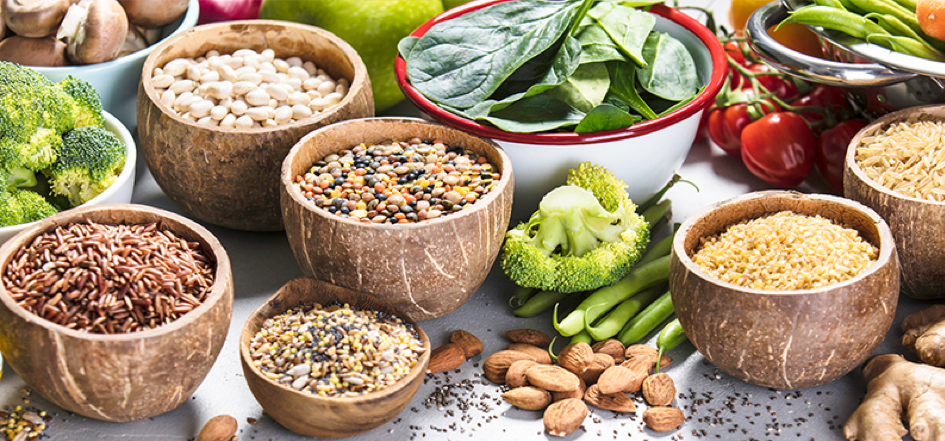
You’ve heard about the importance of fiber in your diet because of its many benefits—it keeps you regular, creates feelings of satiety, supports the digestive system, and helps in lowering cholesterol. However, do you know some of the other important roles it plays?
Aside from the roughage that sweeps through your digestive tract, pushing remaining contents through the body, how is fiber in its different forms affecting how your body functions? Fiber reduces obesity by slowing down digestion to reducing heart disease and certain types of cancers to serving as the food source for your inner bacterial ecosystem as explained in Digestive Wellness: How to Strengthen the Immune System and Prevent Disease Through Health Digestion by Elizabeth Lipski Ph.D., CCN. Fiber does all this and more! Let’s take a deep dive into the mysterious workings of fiber, shed light on the best sources, and discover ways to tend to your digestive garden within.
What Is Fiber?
First, what is fiber? It’s what some call roughage. It can be described as an indigestible material in the food you eat that passes through your body largely unchanged through the stomach and intestines.
Soluble and Insoluble Fiber
There are two main types of fiber—soluble and insoluble. To create a visual, think of soluble fiber as a gel-like substance that dissolves in water that helps you feel fuller longer. Now, think of insoluble fiber as the rough stuff that doesn’t dissolve in water and stays intact when moving through the colon—it fills up space in your stomach.
Both soluble and insoluble fiber are found in various foods and work as a team to make some serious magic happen. When it comes to ensuring you’re getting enough of both types of fiber, “There’s no need to worry about counting grams of soluble and insoluble fiber,” explains Elizabeth Lipski, Ph.D., CCN. Both types are mixed in many whole foods especially fruits and vegetables, so if you eat a variety of high-fiber foods, you will naturally get both.
Fiber Leads to Better Health
Fiber researchers like surgeon Dr. Denis Burkitt, known as the father of the fiber hypothesis, was the first researcher to connect a high-fiber diet with better health in the 1970s. “He noticed that people eating a traditional African diet in rural areas had almost no diabetes, colon cancer, or heart disease,” says Elizabeth Lipski, Ph.D., in her book Digestive Wellness. The discoveries have continued to expand. For instance, the fiber composition of foods has been linked to reduced risk of cardiovascular disease, obesity, stroke, and metabolic dysfunctions, including prediabetes and type 2 diabetes, and some cancers.
Additionally, we know that fiber feeds the trillions of microbes in the gut, so when fiber content is low, it can result in “waves of extinction” as the varieties of microbes fall dramatically. There is mounting evidence that fiber-poor diets have the ability to disrupt the balance of gut bugs. Gut bugs, also known as microbes, are the oldest and most diverse life forms on earth, and they are everywhere! They are in the food in our fridge, in the air we breathe, and live around and inside us.
They also produce short-chain fatty acids (SFCAs). Research shows that SFCAs act as key sources that impact immune function and inflammation in tissues. Scientists say SFCAs play an influential role behind the increasing rates of diabetes, obesity and psychological conditions like anxiety and depression. A lack of fiber in your diet, however, can drastically curb the production of SFCAs.
Add Back Fiber to Your Diet
Fiber is a key ingredient that is removed from food sources when they go through the refining process. Fiber is removed to change the texture of food and make it taste “better.”
The average daily dietary fiber intake in the U.S. is about 16 grams, with adult females having a slightly higher dietary fiber intake than males, according to the United States Department of Agriculture. Fiber intake recommendations from the Institute of Medicine (IOM) range from 19 grams to 38 grams per day, depending on gender and age. However, most adults still need to boost dietary fiber since only 1 in 20 adults actually eat within the recommended range on a regular basis.
By contrast, your Paleolithic ancestors exceeded 100 grams of fiber per day. Interestingly, there is one small African tribe who exceed this consumption level, taking in a whopping 80–150 grams of fiber each day; they are the Hadza, a small hunter-gatherer tribe in Tanzania. Their intestinal microbial diversity is extensive because of the variety of fiber they consume year-round. The abundance of fiber-rich foods in the Hadza tribe comes from tubers, berries, roots, leaves, and other high-fiber foraged plant foods.
Fiber Feeds Good Bacteria
What’s fascinating is that when you make changes to your diet—like shifting from a low-fiber diet to high-fiber diet—changes in the gut microbes can be detected within days.
Emeran Mayer, a gastroenterologist, neuroscientist, and author of The Mind-Gut Connection, explains in his book that you have trillions of bacteria affecting everything from your mood, mind, and thoughts—even how your brain ages and develops. Justin Sonnenburg, a microbiologist at Stanford University, another leading researcher in the field stated in Environmental Nutrition Health, “There is no aspect of human biology that doesn’t get touched in some way by the microbiota. Most of the microbiota are located in the gut, where they have an incredible impact on the body.” What is the food source of these important bacteria? You guessed it—fiber!
In learning about the immense impact of the little microbial companions on your daily health, and how the prevalence of a variety of fiber impacts diversity and overall health, let’s explore some high-fiber foods you can start adding into your daily regimen to support your body from the inside out.
4 High-Fiber Categories of Foods
Since gut bacteria thrive on what on what they eat—if you feed them real, fresh, whole foods, they will grow. If they are fed junk foods, the bad bacteria will grow and yield toxins. This study showed the toxins from harmful bacteria in the gut promote obesity and insulin resistance. With that said, after learning about the vital role fiber plays in supporting the growth of good bacteria toward keeping the inner ecosystem alive and well, it’s time to give fiber the credit it deserves. Here’s to bringing back high-fiber foods that help you flourish!
Rich sources of fiber include a wide variety of vegetables, whole grains, fruits, legumes, nuts, and seeds—all supporting the diversity of your gut microbes. Select organically grown when possible.
- Vegetables:Each 1/2 cup (cooked or raw) usually provides 2–4 grams of dietary fiber.
- Whole grains:Each 1/2 cup (or 1 ounce) serving of whole grains provide 2–4 grams of dietary fiber (examples include brown rice, quinoa, bulgur, millet, buckwheat, barley, spelt, and oats).
- Legumes:Dried beans, peas, and lentils are concentrated sources of fiber, with 6–8 grams per half-cup (cooked).
- Nuts and seeds:A 1.5 ounce serving of most nuts and seeds provides about 3 grams of fiber.
5 Fiber-Boosting Strategies
Individuals whose diets mainly consist of low-fiber foods like white bread, pizza, and pasta need to be careful when adding more fibrous foods into their diets. A sudden switch will overwhelm their underfed bacterial community, resulting in a symphony of sounds and sensations from down below, according to Dr. Giulia Enders, author of Gut: The Inside Story of Our Body’s Most Underrated Organ. “The sudden change will freak the bacteria out, and they will metabolize everything they can in a fit of euphoria. So the best strategy gradually increases the amount of dietary fiber and not feed your bacteria with massive, unmanageable amounts.”
What are the keys to a successful shift in total fiber intake? Start slowly with some of the simple strategies below.
- Mind the bean.Though they are the bomb when it comes to fiber content, they can wreak havoc on your belly. Cook your beans with kombu (edible kelp) to reduce the gas-producing effects beans can have. Add lentils to pasta sauce or soup; they cook quickly without presoaking.
- Load up on veggies.Add raw, cooked, or frozen high-fiber vegetables to homemade or prepared soups.
- Enjoy fresh fruit. Berries offer the best bang for your buck—they are high in fiber, low in sugar, and loaded with many nutrients and protective powers like helping to delay the decline in memory and other neurogenerative diseases. What is a simple way to increase consumption? Add high-fiber fruits, such as fresh or frozen berries to plain yogurt instead of choosing fruit-flavored yogurts with little fruit content.
- Get nutty and seedy.Top salads and mixed dishes with nuts and seeds instead of croutons. Alternatively, add seeds (like chia) to your breakfast cereal or to smoothies.
- Pair beans and grains.A veggie burger is a wonderful way to eat beans and grains together, says Jill Nussinow, M.S., R.D., author of Nutrition CHAMPS: The Veggie Queen’s Guide to Eating & Cooking for Optimum Health, Happiness, Energy & Vitality. She suggests cooking brown rice and lentils (or any combination of whole grain and bean). You can also make a veggie burger by adding mushrooms, onion, sun-dried tomato, and a seasoning of choice—Italian, Thai curry, Middle Eastern, or Mexican.
More Fiber for Better Health
Increasing fiber works wonders in how your body functions. Fiber-filled foods are like fertilizer for your internal garden in more ways than one, leaving you feeling better from top to bottom.
 Healing through Art