

Thanksgiving is a holiday centered around family and food. Everyone joins around a dinner table and eats together in thankfulness. Let’s not forget that most important part about Thanksgiving is gratitude and connection!
Please enjoy those healthy recipes and the other articles below.
Namaste!
Healthy Thanksgiving Recipes for the Whole Family
By Lauren Venosta, Clinical Nutritionist & Personal Chef

It’s time to enjoy a delicious Thanksgiving feast that leaves you feeling satisfied and happy instead of lethargic and stuffed with too much sugar and fat. With these recipes, you can make a full Thanksgiving meal that’s healthy and full of all the classic flavors you and your family love.
Most Thanksgiving recipes are loaded with fat, sugar, and calories. But you can still have a delicious Thanksgiving dinner that won’t make you feel like you gained 10 pounds the next day. Or even worse, give you a three-day food hangover because your digestive system is doing so much work to digest the food. These healthy Thanksgiving recipes will have your family and guests asking for more and feeling great afterward too.
Cauliflower & Mushroom Stuffing
While most Thanksgiving dishes are usually carbohydrate-heavy, this stuffing recipe will lighten up your plate and still give you all the delicious flavors of traditional stuffing. It’s grain-free, gluten-free, and vegan—terms you may not often hear when it comes to Thanksgiving dishes. This recipe is loaded with flavor and will have your guests rethinking traditional Thanksgiving stuffing for years to come.
Ingredients:
- 1 head cauliflower, chopped into small florets
- 1/2 cup olive oil
- 1/2 tsp. Himalayan pink salt
- 1/2 tsp. black pepper
- 4 cups diced portobello mushrooms
- 1 leek, chopped
- 3 stalks celery, diced
- 1 cup walnuts, chopped
- Juice of 1 lemon
- 4 cloves garlic, minced
- 1/2 cup fresh parsley
- 1 tbsp. fresh thyme
- 1 tbsp. fresh sage
- 1 tsp. Himalayan pink salt
Directions:
Preheat your oven to 400 degrees F. Line a large baking sheet with foil and parchment paper. Add cauliflower florets to the baking sheet. Drizzle with 1 tbsp. olive oil, salt, and pepper, and toss to combine so all the cauliflower is coated in the oil and spices. Roast in the oven for about 30 minutes. When finished, remove from the oven and set aside.
Reduce the temperature to 375 degrees F.
In a saucepan over medium heat, add 2 tbsp. olive oil, mushrooms, leeks, and celery. Sauté for about 10 minutes until veggies have softened. Set aside when done.
Using a food processor, add in the walnuts, lemon juice, parsley, thyme, sage, and salt. Then add half of the roasted cauliflower florets. Pour in remaining olive oil. Pulse the mixture until it forms a crumble-like consistency, being careful not to purée the mixture.
In a large baking dish, add in the mixture, sautéed veggies, and the rest of the roasted cauliflower. Mix well to combine and bake in the oven for about 1 hour. Stir the mixture every 15–20 minutes to prevent burning.
Serves 6
Healthy Scalloped Potatoes
Who doesn’t love potatoes? This recipe combines two favorites—mashed potatoes and candied yams—giving you all the potato goodness without the heavy cream of mashed potatoes or the sugar rush of candied yams. It’s also gluten-free and vegan. These Healthy Scalloped Potatoes may soon be your new favorite Thanksgiving side dish.
Ingredients:
- 2 sweet potatoes, peeled and sliced thin (approximately ⅛ inch)
- 1/2 yellow onion, sliced thin
- 2 tbsp. coconut oil
- 1/4 cup gluten-free flour
- 1 1/2 cups full-fat coconut milk
- 2/3 cup pumpkin purée
- 2 tsp. garlic powder
- 1 tbsp. fresh thyme leaves
- 1 tsp. Himalayan pink salt
Directions:
Preheat your oven to 400 degrees F and grease a 9×9 baking dish with a bit of coconut oil.
Create layers in the baking dish with the sweet potato and onions until all the veggies are used up.
In a saucepan over medium heat, melt the coconut oil. Add in the flour and whisk for about 2 minutes. Add in the coconut milk, pumpkin purée, garlic powder, thyme, and salt. Whisk for about 5 minutes until warm.
Pour the sauce mixture over the sweet potato and onion in the baking dish. Bake in the oven for 45–50 minutes until the potatoes are cooked through. Sprinkle with fresh thyme before serving.
Serves 6
Not-Your-Grandma’s Green Bean Casserole
Ditch the cream of mushroom soup in a can and enjoy this recipe at your Thanksgiving dinner. It’s fresh and flavorful and gives you all the flavorful comfort of a classic green bean casserole without the processed canned soup. It’s also gluten-free and vegan.
Ingredients:
- 2 tbsp. coconut oil
- 2 shallots, thinly sliced
- 1/2 head cauliflower, chopped into florets
- 5 cups green beans, ends trimmed and cut in half
- 2 cups mushrooms, sliced
- 5 cloves garlic, minced
- 1 1/2 cups water
- 1 tsp. Himalayan pink salt
- 2 tbsp. nutritional yeast
- 1/4 cup slivered almonds
Directions:
Preheat your oven to 350 degrees F.
In a large skillet over medium heat, add 1 tbsp. coconut oil. Add in the shallots and cook until they caramelize, about 20–30 minutes. Set aside when done.
As the shallots cook, steam the cauliflower florets until tender and transfer to a blender.
Steam the green beans until they turn bright green, about 5–7 minutes. Transfer to a large casserole dish.
In a skillet over medium heat, add the other 1 tbsp. of coconut oil and sliced mushrooms. Sauté mushrooms until soft. Add half to the casserole dish and half to the blender with the cauliflower. Also add water, salt, and nutritional yeast to your blender with the cauliflower and mushrooms and blend until a creamy consistency is reached. Pour mixture over the green beans in the casserole dish. If you like a creamy casserole, use all the sauce. If you like your casserole to be drier, you won’t need all the sauce. Mix the sauce with the green beans and top the mixture with caramelized shallots.
Cover the casserole dish with tin foil. Bake in the oven for about 15 minutes. Remove foil and continue baking for another 15 minutes. Remove from oven when finished and top with slivered almonds.
Serves 6
Turkey Stuffed Acorn Squash
If you aren’t a fan of cooking a whole turkey, or eating it, this recipe is for you. It calls for ground turkey, which is easier to prepare and more cost-effective. The turkey is deliciously seasoned with a medley of spices and spinach, all packed nicely into an acorn squash bowl. It’s pretty to look at and even better to eat. You’ll be rethinking that big turkey on the table after you make this recipe.
Ingredients:
- 3 acorn squash
- 3 tbsp. olive oil
- 1 1/2 lbs. ground turkey
- 3 tbsp. chili powder
- 1 tsp. oregano
- 1 tsp. cumin
- 1/2 tsp. Himalayan pink salt
- 4 cups baby spinach, chopped
Directions:
Preheat your oven to 400 degrees F. Line a large baking sheet with tin foil and parchment paper.
With each acorn squash, slice the pointy tip from the bottom so it sits flat. Slice each squash in half and scoop out the seeds and pulp. Brush the inside with olive oil and sprinkle with a bit of salt and pepper. Roast in the oven for 30–45 minutes until brown.
While the squash cooks, add 1 tbsp. olive oil to a skillet over medium heat. Add in your ground turkey and season with chili powder, oregano, cumin, and salt. Cook the turkey through, breaking it apart as it cooks. Add in chopped spinach and stir until wilted.
Remove the acorn squash from the oven and add the ground turkey mixture to each one.
You can top with your favorite hot sauce if desired.
Serves 6
Mini Pumpkin Pies with Coconut Cream
Pumpkin pie is a classic Thanksgiving component. And what’s a holiday meal without dessert? It’s totally possible to be healthy and eat dessert too. Especially with recipes like this one for mini pumpkin pies that aren’t loaded with sugar and heavy cream. It’s a healthy version of your favorite Thanksgiving dessert and is gluten-free, dairy-free, and 100 percent satisfying.
Ingredients:
- 1 cup roasted almonds
- 1 cup roasted cashews
- 1 egg
- 1/4 cup coconut oil
- 1/3 cup maple syrup
- 1 tsp. vanilla extract
- 1 tsp. cinnamon
- 1/2 tsp. Himalayan pink salt
- 2 1/4 cups pumpkin purée
- 1/3 cup unsweetened almond milk
- 2 1/2 tbsp. arrowroot powder
- 2 tsp. pumpkin pie spice
- 1 1/2 cups full-fat canned coconut milk, extra cold
Directions:
Preheat your oven to 350 degrees F. Using a mini muffin pan, line each pan with muffin cups or spray with nonstick cooking spray.
Pulse the almonds and cashews in a food processor until broken down. Add in the egg, coconut oil, maple syrup, vanilla, cinnamon, and salt. Pulse again until it forms a crumbly consistency like dough.
Add a small amount of dough to each muffin cup and press down and around the sides to form a cup. It should be thin but firm in the muffin pan.
Make the pumpkin filling by mixing together the pumpkin purée, almond milk, arrowroot powder, and pumpkin pie spice. Spoon the filling into each cup and bake in the oven for about 40–45 minutes.
Let the mini pies cool and then refrigerate for about 6 hours until firm or overnight. Before serving, make the coconut cream. Scoop out the thick cream from the can of coconut milk and add to a bowl. Using a hand mixer, mix on high speed until thick and fluffy. Top each mini pie with coconut cream.
Serves 6 (two mini pies per person)
With these recipes, you can make a full Thanksgiving meal that’s healthy and full of all the classic flavors. Serve Turkey Stuffed Acorn Squash accompanied by Cauliflower and Mushroom Stuffing, Healthy Scalloped Potatoes, Not-Your-Grandma’s Green Bean Casserole, and Mini Pumpkin Pies with Coconut Cream to round it off. Everyone at your table will enjoy these yummy dishes and feel fully satisfied that they are celebrating the Thanksgiving holiday with a bounty of delicious food and blessings.
4 Advanced Meditation Techniques and Tools to Deepen Your Practice
By Adam Brady
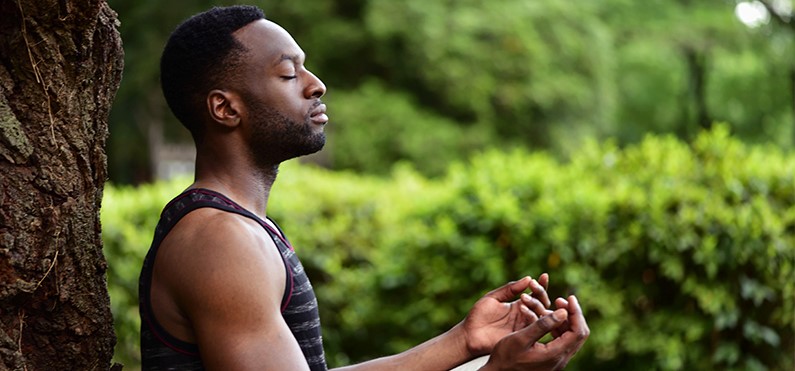
For thousands of years, meditation has been one of the most reliable tools to access spirit, reconnect with your higher self, and explore the true nature of reality. Despite its surging popularity and the robust research exploring its effects on mind, body, and spirit, the immense potential meditation has for your life is just beginning to be understood.
Types of Meditation Practices
Hundreds, if not thousands, of meditation techniques exist due to the rich diversity of cultures and traditions throughout the world. A few popular types of meditation include:
- Mantra meditations
- Guided meditations
- Visualizations
- Energy-balancing meditations
- Sacred chants
- Attention and intention meditations
- Sutra practices
- Mindfulness meditations
- Compassion practices
The most foundational practices taught at the Chopra Center are Primordial Sound Meditation and the So Hum breathing practice.
What Are Advanced Meditation Techniques?
But what about more advanced techniques? If you want to expand your experience by delving into deep meditation practices, where should you begin? This article will describe some more advanced meditation techniques as a guide for your personal exploration. First, let’s look at what is meant by advanced meditation techniques.
- Advanceddoes not imply increased difficulty. Advanced meditation techniques aren’t harder—the procedure is just more involved. If you can follow the instructions listed below, you can perform the techniques.
- There are no special prerequisites required. If you have an existing meditation practice, great; it’s not a requirement to take these techniques for a test drive.
- Essentially, what makes these techniques different is the intention behind the practice. If you’re familiar with Primordial Sound Meditation or the So Hum techniques, you’ll know that the general intention behind those techniques is to allow the mind to settle into stillness. For the techniques below the intentions will vary from practice to practice. Try the ones that you feel drawn to, test them out, and take note of your experiences. Below are some of the most common types of meditation techniques for advanced individuals.
- Chakra-Balancing Meditation
Chakras are the psycho-physiological energy centers that reside in the subtle body. Each chakra is said to correspond to a major bodily system as well as a core psychological need. Located along the spinal column, each chakra has its own color as well as a specific mantra that resonates with its energetic frequency. The chakra locations, bodily system, color, and psychological needs are shown in the table below.
| Location | System | Color | Need |
| Base of spine | Elimination | Red | Survival |
| Sexual organs | Reproduction | Orange | Creativity |
| Solar plexus | Digestion | Yellow | Will/manifestation |
| Heart | Circulation | Green | Compassion/love |
| Throat | Endocrine/thyroid | Blue | Self-expression |
| Forehead | Endocrine/pituitary | Indigo | Insight/intuition |
| Crown | Nervous system | Violet | Unification |
This type of meditation practice uses attention, intention, and visualization along with each chakra mantra to bring balance and enhance its function.
How to
- Sit or lie comfortably where you will not be disturbed for 7–10 minutes. Close your eyes and take several deep slow breaths, emphasizing slow exhalations.
- Now, put your attention on the area at the base of your spine. Visualize a deep red wheel of energy, about the size of a softball. While focusing on the deep red color, silently repeat the mantra LAM. Continue to silently repeat the mantra with your attention in this area for about one minute (the same will apply for the remaining chakras).
- Moving up, place your attention on the area of your reproductive organs. Visualize a bright orange while silently repeating the mantra VAM.
- Next, bring your attention to your solar plexus. Imagine a golden yellow ball of energy. Silently repeat the mantra RAM.
- Move your attention to your heart center. Visualize a bright green color. The mantra is YAM.
- Draw your awareness into your throat. In your mind’s eye, see a sky blue color. Silently repeat the mantra HAM.
- Focus on the area between your eyebrows. Imagine a beautiful indigo color. The mantra is SHAM.
- Guide your awareness to the crown of your head, visualizing a shimmering violet color while you repeat the mantra OM.
- After repeating each mantra for approximately one minute, repeat them all together one last time, LAM, VAM, RAM, YAM, HAM, SHAM, OM. Following the meditation, just allow yourself to sit quietly and notice any sensations in your mind or body before opening your eyes.
- Tonglen Meditation
Tonglen meditation is a Tibetan Buddhist meditation practice that means “giving and receiving.” It is a breathing Buddhist meditation that includes visualizing the taking in of one’s own or another’s suffering and projecting out love, healing, and compassion.
How to
- Sit or lie comfortably with your eyes closed.
- Begin by centering yourself with a few full deep breaths.
- Now, keeping your focus on your breath, inhale and visualize either your own negativity or suffering or that of another person. Imagine sucking up the darkness, negativity, and pain like a spiritual vacuum cleaner.
- Pause for a moment and see that darkness transformed by the power of pure spirit.
- Exhale the white light of loving compassion back into your own space or that of the other you were focusing upon. Continue this process for 5–10 minutes or as for long as it feels comfortable.
In case you’re concerned about ‘polluting’ yourself with negativity, remember that the field of spirit is impeccably pure, unblemished, and impossible to contaminate. As long as you remain established in your true essence of pure consciousness, any negativity will be transformed by its healing touch.
- The Microcosmic Orbit
This Taoist Qi Gong meditation helps to circulate subtle energy known as Qi (pronounced “chee”) or prana through the mind/body system. This form of meditation helps to energize the eternal organs, eliminate stress from the nervous system, and promote a deep feeling of well-being. This practice is said to embody the concept of “as above, so below” by capturing the essence of universal principles mirrored in your body.
How to
- This meditation is best performed in a seated position with the eyes closed. Sit comfortably, but with a relatively upright spine.
- Place the tip of your tongue against the small ridge behind your front top teeth. Take a deep breath and focus your attention on the area between your eyebrows while visualizing a golden light.
- Exhale slowly, guiding your awareness gently down through your throat area, your heart, solar plexus, and navel.
- Inhale, filling up with energy from the lower abdomen, and draw the energy up the back of the body from the tailbone, through the kidney area, behind the solar plexus, back of the heart, behind the throat, back of the head, peaking at the crown of the head before exhaling the energy down the front of the body again.
- Continue this practice for 7–10 minutes.
As you become more comfortable with the cycling of energy, you can visualize its movements like a water wheel that draws the energy up the back and of the body flows it down the front of the body. Upon completing the meditation, sit comfortably for a few moments before returning to activity.
- The World Is in Me
This type of meditation is about reframing and shifting your identity from a being “in the universe” to “the universe being in us.” It is a subtle, yet powerful shift in attention that helps you redefine your place in the cosmos.
How to
- Begin by sitting or lying comfortably. Take a look around your surroundings, taking note of the space. Now close your eyes and take a few full deep breaths.
- Once you feel settled and relaxed, place your awareness in the area of your head or brain and silently repeat to yourself, “I am not in the mind, the mind is in me.” Visualize a bubble of expanding awareness that grows to envelop your head. Feel yourself as the bubble of awareness as it continues to grow.
- Now imagine the awareness envelope your physical body. Silently repeat to yourself, “I am not in the body, the body is in me.”
- Watch your awareness expand to fill the room you are in. Repeat: “I am not in this room, the room is in me.”
- As your awareness grows, see it absorb the entire building. Again affirm: “I am not in this building, the building is in me.”
- Growing exponentially, your awareness expands to your town or city. Repeat: “I am not in this city, the city is in me.”
- Your awareness absorbs your state or province. “I am not in this state, this state is in me.”
- “Your country is enveloped within your expanding awareness. I am not in this country, the country is in me.”
- Finally, watch as your awareness embodies the entire planet. “I am not in the world, the world is in me, everything is within.”
- Feel free to continue this process even further to the solar system, galaxy, and the entire universe.
- Following the meditation, take a few minutes to allow this expanded sense of awareness to settle in before opening your eyes.
As you can see, there are many benefits of meditation for your daily life. Try integrating these types of meditation techniques as a supplement to your regular meditation practice. Return to them whenever you wish to take your practice and awareness to deeper levels of your mind, body, and soul.
Ayurvedic Home Remedies
by Lisa Coffey

Ayurveda is the Science of Life – and it teaches us how-to live-in harmony with nature. It is best used as a preventative medicine, to keep us our healthiest and happiest selves. Yet, sometimes we get out of balance, and it shows up as an ailment in the body. What to do? See your doctor for any severe or chronic conditions, and meanwhile, also look into what you can do at home to help yourself feel better.
Remember these three things:
*80% of disease attributed to an imbalance of the digestive system.
*Stress has a big impact on all three parts of digestion: digestion, assimilation, and elimination.
*FOOD is medicine first and foremost! Many ailments can be cured with the right diet. (See the Ayurvedic Meal Plan System on TulsiSpa.com)
Ayurveda’s 3 Pillars of Health are: Food, Sleep, and Activity (Behavior). So, look at these three areas of your life and assess yourself. Chances are you’ll see some room for improvements.
Ask these 3 questions:
What are you eating? How are you eating?
How are you sleeping? Quality and quantity of sleep?
How are you behaving? What is your daily routine?
Here are some Ayurvedic Home Remedies for some of the most common ailments.
Upset stomach:
Ginger: chew candied ginger, or make fresh ginger tea
1 teaspoon sugar + 1 teaspoon salt: in warm water and sip
Black tea, no sugar: helps with diarrhea
Buttermilk: contains acid that kills diarrhea germs
Constipation:
Grapes: eat to maintain regularity
Warm water + lime juice: drink 1 cup every morning to avoid constipation
Acidity:
Ginger + coriander: in small quantities to control acidity
Orange juice + rock salt + roasted cumin seeds: for quick relief of acidity
Coconut oil: 1 teaspoon to relieve acidity
Indigestion:
Blackberry tea: relieves indigestion
Coriander + ginger + cardamom + clove: helps relieve gas and indigestion
Lemon juice + curry leaves extract + pinch salt: relieves indigestion quickly
 Healing through Art