

March is one of the most beautiful months of the year! It is the “female month”, it brings the spring, it symbolizes the fertility and fruitfulness of nature.
March 8this approaching, which is International Women’s Day, and I want us to celebrate our womanhood and to deeply realize our divinity and our special place here on Earth.
Enjoy the articles below!


4 Ways to Access Unbounded Gratitude

Consciousness is infinite and unbounded at its source. Let’s apply this idea to gratitude, because for many of us, gratitude isn’t unbounded. It comes and goes. You feel thankful for this or that experience, for one person but not another, and for various things that feel like a gift. However, you may take the things you value—your families, friends, a beautiful day, the glories of the natural world—for granted when you aren’t in a grateful mood.
What Is Gratitude?
Everyone knows that gratitude is a good thing but getting there isn’t always easy. How can this be changed? Trying to be grateful doesn’t work, because gratitude is a spontaneous expression. You may say “Thank you” simply as a polite gesture without much feeling behind it, and you know what it’s like to thank someone while feeling very different inside. Spontaneous gratitude comes from the true self, which you contact in meditation. When you feel an impulse of sheer, open-hearted gratitude, you are expressing your true self, which means that you are closer to your source.
Gratitude needs to be nurtured, however. The true self is blocked from view by old conditioning and beliefs, ego-based impulses, and its opposite—resentment. You cannot feel grateful toward someone you resent, no matter how lavishly or generously they give something.
In this regard, gratitude, like grace, isn’t earned; it isn’t a payback because someone has done something you value and want. Paybacks are calculated by the ego-self, which sees everything as a transaction, a give-and-take where the object is to take more than you give. That’s how the ego promises to make you important, by accumulating more money, possessions, friends, and status.
In reality, gratitude is naturally innocent. Infants as young as six months spontaneously want to help their mothers, and in a child’s love, there is gratitude that doesn’t need to be put into words. Once you start putting “thank you” into words, there is inner separation. You begin to judge who deserves thanks and who doesn’t.
Therefore, if gratitude is part of the true self, it goes even beyond a mother-child bond. It is offered without judgment. Feeling gratitude simply for being here is true gratitude. There is sympathy for the human condition, not just for the humans who are on your side. The true self isn’t separate from you at this very moment, so how do you begin to notice it and give it value?
Here are four ways in which you can experience a deeper, truer sense of gratitude.
- Show Gratitude Toward Yourself
This isn’t done by saying “thank you.” Instead, try the following exercise:
- Sit or lie quietly with your eyes closed. A good time is during your rest period after meditation or at night before falling asleep.
- Feel and see a warm light in the area of your heart.
- Breathe into this light and see it expand. Be easy; don’t force.
- As the glowing warmth expands, sense its blissful quality. Rest easily in the sensation. This is the warmth of the true self.
- Think and feel, “This is the real me.” At that moment, you are experiencing yourself with gratitude.
- Cherish Your Warm Experiences
When you have just had a warm experience with another person, don’t let it escape immediately. Instead, try the following:
- Take a moment alone, close your eyes, and feel the lingering warmth of the experience.
- You can say “thank you” or not—it isn’t really necessary. Simply recognize that this warmth of the heart is the essence of gratitude.
- Nurture Gratitude for Any Beautiful Experience in the Same Way
Whether you are listening to music you love or watching a burnished summer sunset, take a moment to close your eyes, breathe fully, and notice the inner feeling you are having. This is the essence of gratitude that is available all the time, and you can notice it several times a day.
- Access a Deeper Sense of Gratitude through Meditation
A deeper sense of gratitude can be accessed that isn’t associated with any particular object or outside source of pleasure. A good time for this is just after meditation. Try it:
- Put your attention on the quiet, restful, content sensation that meditation brings.
- Now easily let your attention flow through inner space, from the top of your head to the tips of your toes.
- This space feels open, light, quiet, undisturbed. You are perceiving your own being. There is no need for external or internal triggers of pleasure. You are finding yourself here and now. This is the source of gratitude. There are no words to describe it, but the experience is real.
- Once you notice it, being here is enough. Love, gratitude, bliss, and fulfillment rest within each other and merge into pure consciousness.
By experiencing deeper and deeper levels of gratitude, you learn what true gratitude feels like. It feels like yourself, being, and transcendence rolled into one.
10 Easy Lifestyle Changes to Improve Your Mental Health
You were likely taught at a young age how to maintain your physical health. You were told to exercise, eat clean, and steer clear of junk food. Mental health and self-care, however, received less attention.
Fortunately, discussing mental health in today’s world is less stigmatized than in years past, with many prioritizing it as highly as they do their physical health. For example, in a 2015 survey by the Anxiety and Depression Association of America, approximately 90 percent of Americans indicated they valued mental health and physical health equally.
As with physical health, tending to mental health is an ongoing process and can be improved with simple daily practices. Here are 10 suggestions to get started.
- Eat Breakfast
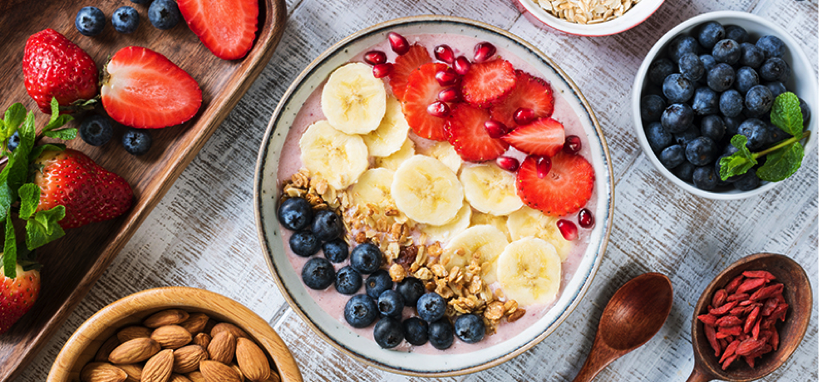
Eating a healthy breakfast consisting of protein and healthy fat (e.g., avocados, nuts) can benefit both your waistline and your mood. A 2017 study found that participants who reported that they always ate breakfast exhibited fewer depressive symptoms than those who reported that they sometimes or seldom consumed breakfast. Opt for low-sugar, mood-boosting options such as an egg and half an avocado, or oatmeal with berries and walnuts. If you’re short on time in the mornings, a banana with peanut butter and chia seeds is a quick and healthy breakfast option.
- Practice Mindful Breathing
Anyone who has ever practiced yoga or mindful breathing can attest to how much better it can leave you feeling, both physically and mentally. Yoga is a great practice for connecting the breath to movement (think mind-body connection), but even just a few minutes of simply breathing mindfully can benefit your mental health.
Mindful breathing consists of bringing your attention to your breath. Set aside a few minutes daily to observe your breath, either lying down or sitting, with eyes open or shut. If you find your mind constantly wandering (which is entirely normal), try counting your breaths (i.e., breathe in for four seconds, hold for three seconds, breathe out for five seconds). With practice, you’ll find it easier to bring your attention from your wandering thoughts back to your breath. Remember, practice is key!
- Move for 10 Minutes
Set aside at least 10 minutes every day to get your body in motion. It can be as simple as walking, gentle stretching, going up and down stairs, or playing with your pet. If you choose, you can eventually work up to 20–30 minutes of activity, perhaps trying something more strenuous like swimming or a workout class. But if you can only stick to 10 minutes of gentle movements, your mind will still thank you for it. Bonus benefits if you can move around outside and soak up a little vitamin D—another mood booster!
- Add More Fruits and Veggies to Your Diet
Diet plays a big role in how you feel. Foods that are processed or high in refined sugar can trigger mood swings and fuel anxiety. Fruits and vegetables, in particular, contain vitamins, minerals, and antioxidants that can boost your mood. A 2016 study found that increasing fruit and vegetable consumption predicted greater happiness, life satisfaction, and well-being.
Moreover, a study examined the link between fruits and vegetables and mental health, including cognitive impairment and the development of anxiety and depression, of Mexican Americans. Researchers found that participants who consumed five or more servings of fruits and vegetables per day were less likely to have anxiety and cognitive impairment. (No association, however, was found between intake and depression). Some raw foods that may benefit mental health include the following:
- Carrots
- Kiwi
- Bananas
- Apples
- Citrus fruits
- Fresh berries
- Grapefruit
- Cucumber
- Dark, leafy greens such as spinach
- Lettuce
- Think of One Thing You’re Grateful for
Research shows that practicing gratitude can make you happier. You can practice gratitude in a number of ways, such as writing a thank-you note, starting a gratitude journal, or volunteering.
If you want to incorporate gratitude into your daily routine, a great place to start is to think of one thing you’re grateful for each day. It can be as simple as the cup of coffee you make in the morning. Practice this around the same time each day so it can become a habit. You also may want to jot it down so that you can see everything you have to be grateful for.
- Disconnect
While there are many advantages to technological developments, your mental health can benefit from spending less time scrolling and searching. Devices such as phones and tablets can be incredibly stimulating. Disconnecting from your screens, even for just a few minutes a day, provide you with a much-needed mental break.
Allow yourself a designated amount of time each day to disconnect from all forms of technology. This includes checking work emails, social media, and texting—anything involving a screen. Perhaps you wait until you’re at the office to turn on your phone, or you could disconnect during lunch. Also, be mindful of extended periods of time when you find yourself aimlessly scrolling. Those might be the best moments to disconnect.
- Read Before Bed
Does your bedtime routine consist of scrolling through social media on your phone or falling asleep to Netflix? These stimulating activities can interfere with your sleep quality, in addition to keeping you awake longer. For better quality sleep, swap out the electronics for a good book. This doesn’t have to feel like a punishment! Make it an enjoyable experience. Light a candle, play soft music, or make a cup of tea to enjoy while reading.
Tip: Keep electronics in a separate room at bedtime so that you aren’t tempted to use them.
- Wake Up at the Same Time Every Day
Your body and mind respond well to routines. By waking up around the same time each day and allowing plenty of time to get ready, practice self-care, and eat breakfast, you set yourself up for a great day. You’ve had mornings where you overslept, rushed to get ready, and then felt lingering anxiety the rest of the day. Avoid those mornings by making time to tend to your mental health, starting when your alarm wakes you up every morning.
- Allow Yourself to Enter Vacation Mode
Think back to the last vacation you took. What was it that made you feel so relaxed? Was it the break from work? Disconnecting from social media? The time spent with loved ones? The early morning walks to get coffee?
Incorporate a few minutes of whatever relaxes you on vacation into your daily routine. Maybe you spend more time chatting with friends and family. Or you treat yourself to coffee at your favorite coffee shop. While it may not be realistic to completely disconnect from work matters like you can on vacation, you can allow yourself little breaks throughout the day. The point is to incorporate more calm into your day, just as you do when you’re on a beach vacation.
- Reach Out
Maintaining good mental health is crucial to your overall sense of well-being. Reaching out to friends and family when you’re feeling low can provide you with a much-needed reminder that you’re supported and cared for. Your social network also serves as a barrier against the harmful effects of stress.
If you find that you’re still struggling, and lifestyle changes aren’t making much of a difference, you may benefit from speaking with a professional. People often mistakenly think they need to wait until their mental health is really suffering before seeking help, but the truth is, a mental health counselor can help you restore your balance and well-being before you hit crisis mode, in the same way a personal trainer can help you tune up and prevent major health issues. The extra encouragement and support can make a big difference in how you’re feeling.
Remember to start small. You can always build on these suggestions. Improving your mental health means doing more of what feels good so practice techniques that you find both nurturing and enjoyable.
 Healing through Art